

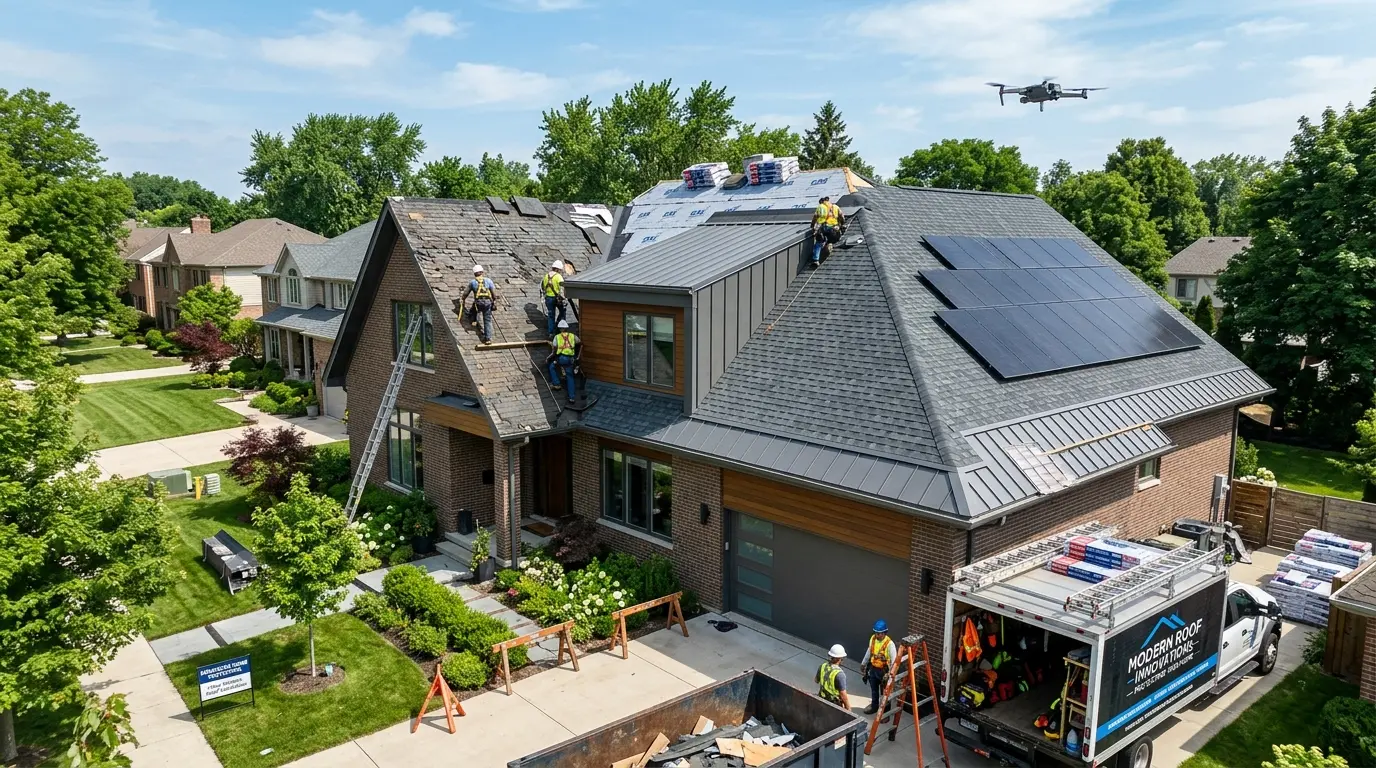
Most homeowners think about their roof only when something goes wrong. A leak appears after a storm, shingles start curling, or a water stain forms on the ceiling. But roofing technology and installation practices have evolved significantly over the years, making today’s roofing systems far more advanced than many people realize.
Modern roofs are designed not only to protect against rain and wind but also to improve energy efficiency, ventilation, durability, and long-term property value. As climate patterns continue to shift and homeowners become more focused on preventative maintenance, understanding these newer roofing approaches has become increasingly important.
Roofing Is About More Than Shingles
When people picture a roof, they often think only of the visible outer layer. In reality, a roofing system is made up of several components working together to protect the structure underneath.
A complete roofing system generally includes:
- Underlayment for moisture protection
- Flashing around vulnerable areas
- Ventilation systems for airflow
- Water barriers
- Decking support
- Drainage systems and gutters
- Surface roofing materials
If even one part of the system fails, the entire roof can become vulnerable to water intrusion and structural damage. This is why professional evaluations often focus on the roof as a complete system rather than simply replacing visible shingles.
Understanding this broader perspective helps homeowners make more informed decisions about maintenance and repairs.
Energy Efficiency Is Becoming a Bigger Priority
One of the most noticeable shifts in modern roofing is the increased focus on energy efficiency. Roofing materials can significantly influence indoor temperatures and overall utility costs.
Dark, heat-absorbing roofs can cause attic temperatures to rise dramatically during warmer months. This forces HVAC systems to work harder, increasing energy consumption and monthly expenses.
Today, many roofing systems are designed with reflective properties that help reduce heat absorption. Improved attic ventilation also contributes to better temperature regulation throughout the home.
Some benefits of energy-conscious roofing include:
- Reduced cooling costs
- Improved indoor comfort
- Lower strain on HVAC systems
- Better moisture control
- Increased roofing lifespan
Homeowners in warmer regions often notice substantial differences when ventilation and reflective materials are properly integrated into the roofing system.
Storm Resistance Matters More Than Ever
Weather patterns have become increasingly unpredictable in many parts of the country. Heavy winds, hailstorms, intense rain, and prolonged heat can all place serious stress on roofing materials.
As a result, many homeowners are prioritizing roofing systems designed for stronger weather resistance. Impact-resistant shingles, reinforced flashing, and upgraded underlayment materials have become more common in both new construction and replacement projects.
Storm preparedness is not simply about avoiding catastrophic failure. Even small vulnerabilities can allow moisture to enter the home over time, leading to hidden structural damage.
After severe weather events, inspections are often recommended even if no obvious leak is present. Wind damage in particular may not always be visible from the ground, yet it can compromise the roof’s integrity significantly.
Homeowners researching regional roofing concerns often seek out educational resources and local expertise to better understand how climate conditions affect roof performance. For those looking tolearn more, reviewing professional insights on roofing maintenance and weather-related vulnerabilities can help clarify which preventive measures may offer the greatest long-term value.
Preventive Maintenance Extends Roof Lifespan
One of the biggest misconceptions about roofing is that no action is needed until major problems develop. In reality, preventive maintenance can dramatically extend the life of a roofing system.
Small issues tend to grow gradually over time. A loose shingle may eventually expose underlayment to moisture. Cracked flashing can allow slow water penetration around chimneys or vents. Debris accumulation can trap moisture and accelerate material deterioration.
Routine maintenance often includes:
- Clearing leaves and debris
- Cleaning gutters and drainage systems
- Inspecting flashing and seals
- Identifying loose or damaged shingles
- Checking attic ventilation
- Monitoring signs of moisture intrusion
Addressing minor repairs early is generally far less expensive than dealing with large-scale restoration later.
Ventilation Plays a Critical Role
Many homeowners underestimate how important ventilation is to roofing performance. Without proper airflow, heat and moisture can accumulate in attic spaces, leading to several avoidable problems.
Poor attic ventilation may contribute to:
- Mold growth
- Wood rot
- Increased humidity
- Higher cooling costs
- Premature shingle aging
Balanced ventilation systems help regulate attic temperatures while allowing excess moisture to escape. This improves overall roofing efficiency and helps preserve structural components over time.
Ventilation is especially important in climates that experience significant temperature fluctuations or high humidity levels.
Choosing Materials Based on Long-Term Performance
Roofing materials vary widely in terms of appearance, durability, maintenance needs, and lifespan. While aesthetics matter, long-term performance should play a major role in decision-making.
Some homeowners prioritize affordability, while others focus on energy efficiency or durability against severe weather. The best choice often depends on regional climate conditions, property design, and maintenance expectations.
Common roofing materials include:
- Asphalt shingles
- Metal roofing
- Tile roofing
- Synthetic composite materials
- Wood shakes
- Slate systems
Each option offers different advantages and trade-offs. Understanding how these materials perform under local environmental conditions can help homeowners avoid premature replacement costs.
Roofing Inspections Help Prevent Surprise Expenses
Roof damage is not always obvious from inside the home. By the time interior water stains appear, the underlying issue may already be extensive.
Professional inspections help identify concerns before they escalate into major expenses. Regular evaluations are especially useful after storms or when purchasing a property.
Inspections can uncover:
- Moisture intrusion
- Structural weaknesses
- Ventilation deficiencies
- Drainage issues
- Material deterioration
- Hidden storm damage
Preventive evaluations provide homeowners with a clearer understanding of their roof’s current condition and remaining lifespan.
Conclusion
Modern roofing systems are designed to do far more than simply cover a home. From energy efficiency and ventilation to storm resistance and moisture control, today’s roofs play a critical role in protecting both comfort and property value.
For homeowners, taking a proactive approach to roof maintenance and understanding how roofing systems function can help reduce long-term costs while improving overall durability. Even small preventive measures can make a meaningful difference over time, especially when combined with regular inspections and informed material choices.
