

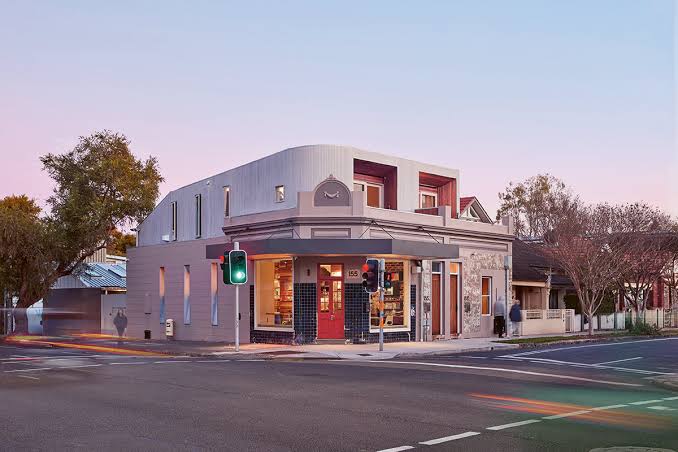
The Inner West is home to some of Australia’s most distinctive commercial precincts, where historic shopfronts, converted warehouses, and heritage-listed buildings sit alongside thriving cafés, boutiques, restaurants, and specialty retailers. These character-rich properties offer businesses a unique identity, but they also present additional challenges when planning a modern retail fitout.
Creating a successful retail space within a heritage building requires careful planning to preserve architectural character while meeting today’s expectations for functionality, accessibility, safety, and customer experience. A thoughtful approach allows businesses to embrace the building’s history without compromising operational performance.
Understanding Heritage Building Requirements
Unlike modern commercial properties, heritage buildings often have planning controls designed to protect their historical and architectural significance. Depending on the property’s heritage status, alterations to façades, original timberwork, ceilings, windows, masonry, or decorative features may require council approval before work begins.
Understanding these requirements early helps reduce delays, avoid unnecessary redesigns, and ensure the project complies with local planning regulations.
Working with professionals experienced in retail shop fitout in Inner West buildings can help identify heritage considerations during the initial planning stage and develop solutions that respect both compliance requirements and business objectives.
Preserving Character While Supporting Modern Retail
One of the biggest advantages of a heritage building is its unique visual identity. Original brick walls, timber beams, pressed metal ceilings, exposed columns, and traditional shopfronts often create a distinctive atmosphere that modern buildings cannot easily replicate.
Rather than removing these features, many successful retail fitouts incorporate them into the overall design. Preserving original architectural elements can strengthen brand identity, improve customer experience, and create a memorable retail environment.
Blending heritage character with contemporary finishes often produces the most balanced result.
Modern Services Still Need To Be Integrated
Although heritage buildings offer character, modern businesses still require efficient electrical systems, lighting, air conditioning, security, data cabling, and point-of-sale technology.
Integrating these services can be more complex than in newer buildings because installations often need to minimise visual impact while protecting original architectural features.
Careful planning allows modern infrastructure to be incorporated discreetly without compromising the building’s heritage value.
Accessibility And Building Compliance
Retail spaces must also comply with current building regulations relating to accessibility, fire safety, emergency exits, and workplace safety.
Older buildings may require upgrades to improve access for customers and staff while maintaining heritage significance. Achieving this balance often requires creative design solutions that satisfy both regulatory obligations and conservation objectives.
Early consultation with designers, builders, and relevant authorities can help avoid costly changes later in the project.
Flexible Store Layouts Improve Functionality
Many heritage buildings were originally designed for businesses that operated very differently from today’s retailers. Narrow floorplans, structural columns, uneven layouts, or smaller service areas can present design challenges.
Modern fitout planning focuses on creating efficient customer flow, effective product displays, comfortable circulation, and practical storage solutions while working within the building’s existing structure.
Well-planned layouts improve both operational efficiency and the overall shopping experience.
Lighting Plays A Key Role
Natural light is often one of the defining features of heritage retail spaces. Large display windows and traditional shopfronts can provide excellent street presence while creating inviting interiors.
Supplementing natural light with carefully designed LED lighting helps highlight products, improve ambience, and maintain the building’s architectural features without overwhelming its original character.
Lighting design has become an important part of successful heritage retail fitouts.
Sustainability Through Adaptive Reuse
Repurposing existing heritage buildings can also support sustainability objectives by extending the life of established structures and reducing the need for new construction.
Many retailers now combine heritage preservation with energy-efficient lighting, modern HVAC systems, sustainable materials, and environmentally responsible construction practices to improve long-term operational performance.
Adaptive reuse allows businesses to preserve local history while supporting contemporary sustainability goals.
Planning Reduces Project Delays
Heritage projects often involve additional approvals, specialist trades, and detailed documentation compared with standard commercial fitouts.
Beginning planning early allows businesses to address council requirements, building assessments, heritage approvals, and construction scheduling before work starts.
Thorough preparation helps minimise disruptions and supports a smoother project delivery.
Helpful Related Commercial Fitout Research
Business owners also benefit from reviewing commercial heritage renovation planning and customer-focused retail store layout strategies because these related topics provide broader insight into balancing building preservation with modern retail performance.
Better planning supports stronger long-term business outcomes.
Final Thoughts
Heritage buildings provide retailers with a unique opportunity to create memorable spaces that combine architectural character with contemporary functionality. While these projects often require additional planning, approvals, and specialist expertise, the results can deliver a distinctive customer experience that sets a business apart from competitors.
By respecting original building features while integrating modern technology, accessibility, and efficient store design, businesses can successfully transform heritage properties into welcoming retail environments that honour the past while supporting future growth.