

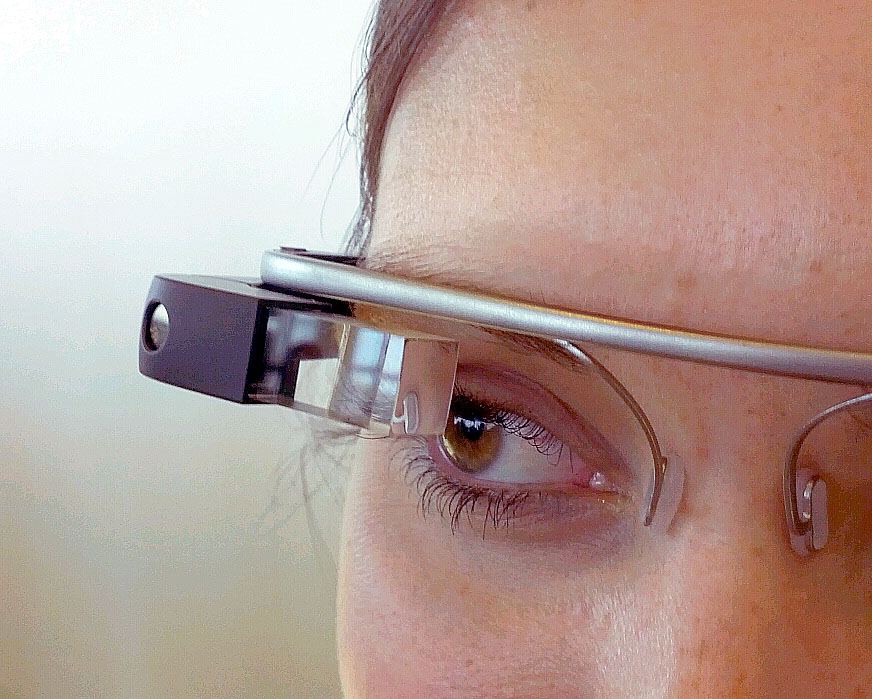
Finding your way in a city where you cannot read the signs is one of travel’s oldest stresses, and smart glasses are beginning to ease it by translating street names, menus and departure boards directly in the wearer’s view. The latest models use a small camera and on-device language models to recognise printed text, translate it within a second or two and overlay the result neatly beside the original words, so travellers can compare both rather than trusting a phone screen held up in a crowd. Developers say the key advance is not translation itself, which phones already offer, but the hands-free, glanceable presentation: a visitor can keep hold of luggage, follow a platform indicator and still catch the translated platform change. Tourism boards in several major cities are watching the trials with interest, since easier navigation encourages visitors to explore beyond the most familiar districts and spend time and money in smaller neighbourhoods and independent businesses. Retail versions aimed at tourists are expected to reach high street shops within the next year.
What the Evidence Shows
Real-world performance varies with lighting, fonts and handwriting, and the glasses still struggle with stylised lettering, reflections on glass and text glimpsed at an angle while walking. Manufacturers are responding with wider cameras, better stabilisation and models trained on transport signage and common public notices rather than only book text. Privacy is the other major design question, because a camera worn on the face records surroundings continuously. Current products use visible recording indicators, process most translation on the device and avoid storing images by default, features regulators increasingly expect. Battery life remains limited to a day of intermittent use, which suits sightseeing better than constant translation. Even with those caveats, early users describe a genuine shift in confidence when travelling independently. For language learners, too, seeing instant translations anchored to real objects may turn an ordinary foreign street into a practical, memorable lesson. Battery improvements from phone technology are expected to extend practical daily use further next year. Reporting and analysis from sources such as IEEE Spectrum track the same developments, and specialists following the live sign translation glasses say the direction is now consistent across independent lines of evidence.
The Wider Context
Adoption of the live sign translation glasses follows a familiar pattern with an unfamiliar speed. Early users tolerate rough edges in exchange for advantage, mainstream users arrive when the tool disappears into existing workflows, and the market consolidates around whoever made that transition feel effortless. Vendors are racing less on raw performance now than on integration, support and trust.
What Happens Next
The realistic forecast for the live sign translation glasses is steady integration rather than sudden replacement: embedded in products people already use, improving in increments, and regulated in proportion to its reach. The companies and institutions that plan on that basis, training staff and redesigning processes instead of chasing launches, are the ones the adoption data tends to vindicate. You can follow related developments in our coverage of technology.
It is also worth remembering how quickly the picture in this area has changed before. Positions that looked settled a few years ago have been revised as new data arrived, and the same humility is appropriate now. The strongest coverage of this subject, and the most useful advice, tends to come from sources that update their views openly when the facts move, rather than defending an earlier position long after it has stopped fitting the evidence available.
