

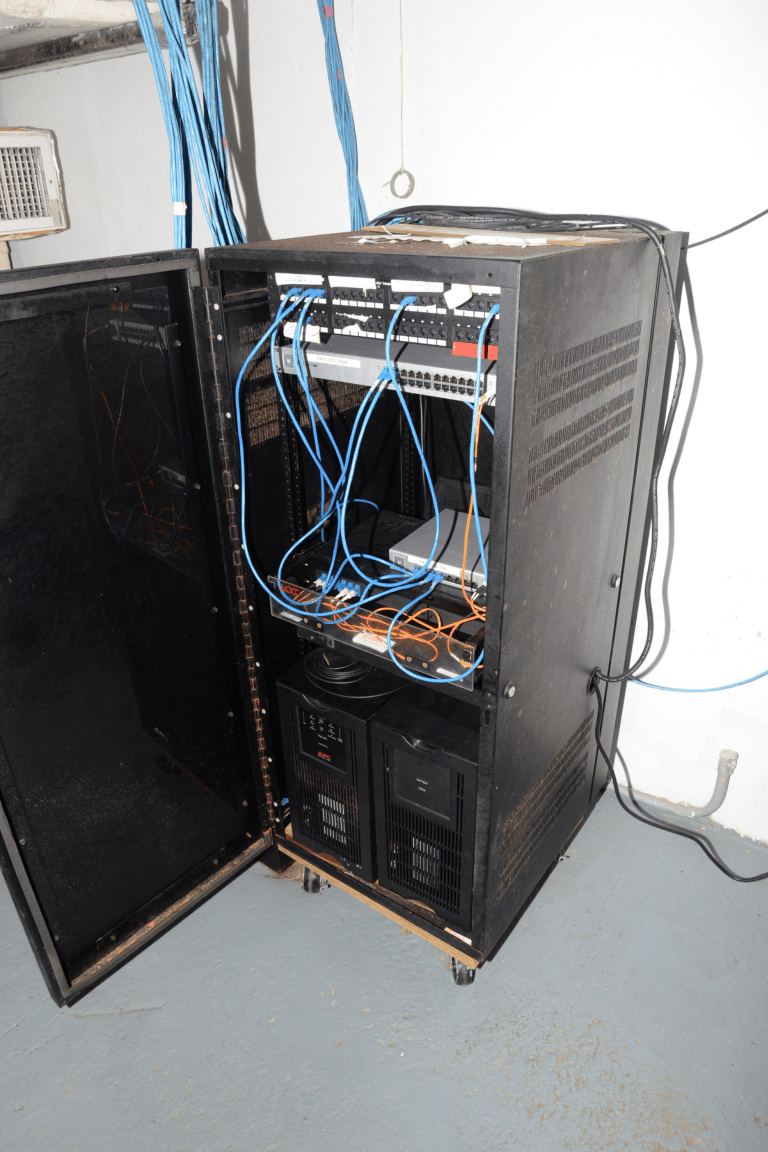
Behind every major online service sits a data centre full of cables, and when those cables become a tangled mass, even a simple repair can turn into an outage. Engineers are redesigning how cables are routed, replacing improvised bundles with planned pathways, overhead trays, colour coding and clear labels, so that any single cable can be found and replaced in minutes rather than hours. The work sounds unglamorous, but downtime is expensive: a single hour offline can cost a large service millions and damage trust that takes years to rebuild. Operators say most serious cabling incidents trace back to undocumented changes made in a hurry during earlier expansions. The new approach treats cabling as infrastructure to be designed and documented, not as a chore to be squeezed in after the servers are installed, and several large operators are now auditing their older halls to bring them up to the same standard.
What the Evidence Shows
Digital planning tools are central to the change, letting engineers map every cable in software and simulate a change before anyone touches the physical rack. Some operators build a digital twin of the data centre, testing whether removing one cable could accidentally isolate a whole row of servers. Older facilities are being retrofitted gradually, one hall at a time, so services stay online during the work. Staff training matters as much as the hardware: technicians are taught to label and record every change, however small, so the map stays accurate. Standards bodies are updating their guidance to reflect the new practices, and insurers are beginning to ask about cabling discipline when pricing cover for digital businesses. Privacy groups add that the reports should also show which trackers come from data brokers, since those firms build profiles from information collected across many different websites at once. Reporting and analysis from sources such as IEEE Spectrum track the same developments, and specialists following the redesigned data centre cabling say the direction is now consistent across independent lines of evidence.
The Wider Context
Adoption of the redesigned data centre cabling follows a familiar pattern with an unfamiliar speed. Early users tolerate rough edges in exchange for advantage, mainstream users arrive when the tool disappears into existing workflows, and the market consolidates around whoever made that transition feel effortless. Vendors are racing less on raw performance now than on integration, support and trust.
What Happens Next
The realistic forecast for the redesigned data centre cabling is steady integration rather than sudden replacement: embedded in products people already use, improving in increments, and regulated in proportion to its reach. The companies and institutions that plan on that basis, training staff and redesigning processes instead of chasing launches, are the ones the adoption data tends to vindicate. You can follow related developments in our coverage of technology.
It is also worth remembering how quickly the picture in this area has changed before. Positions that looked settled a few years ago have been revised as new data arrived, and the same humility is appropriate now. The strongest coverage of this subject, and the most useful advice, tends to come from sources that update their views openly when the facts move, rather than defending an earlier position long after it has stopped fitting the evidence available.
