

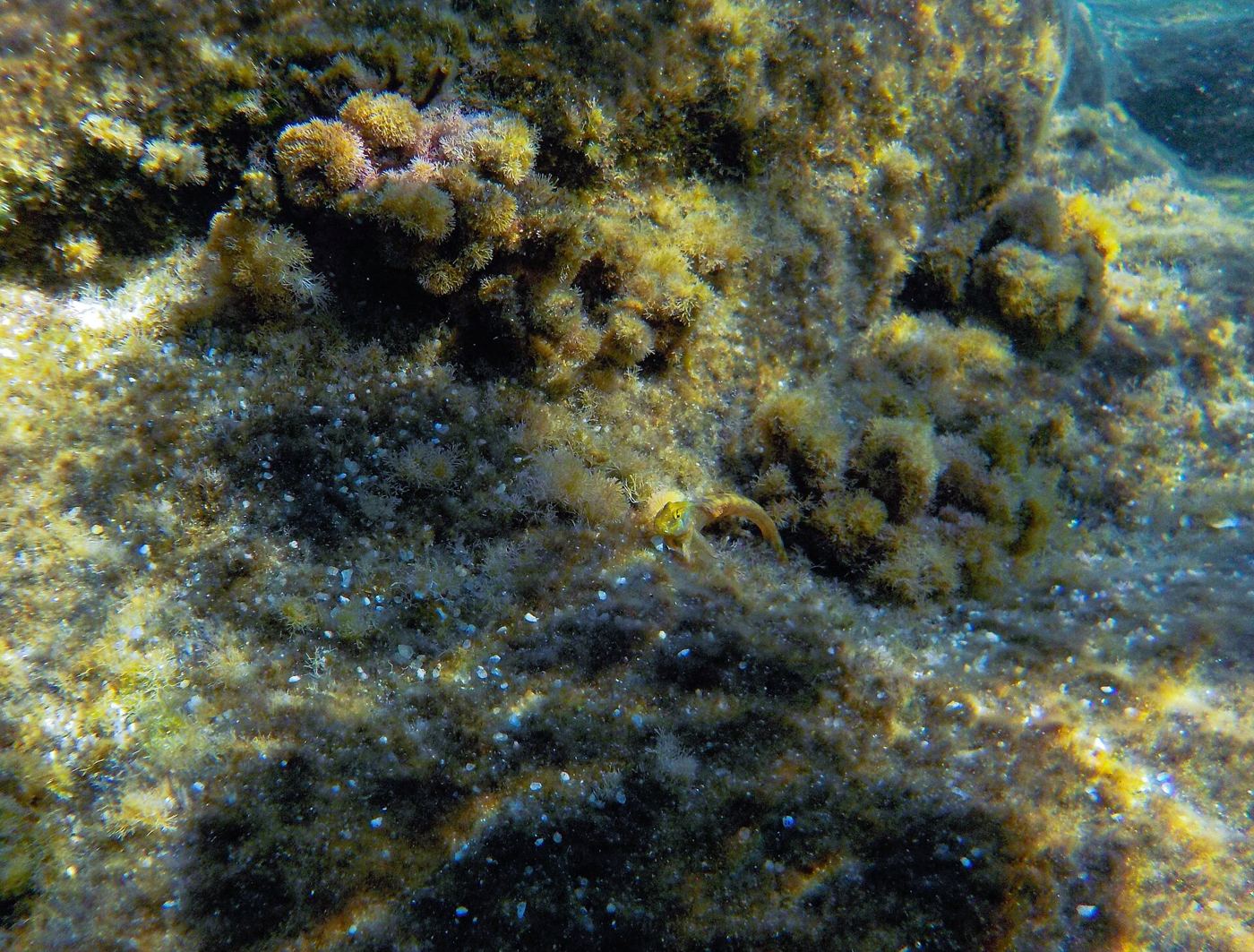
Thousands of tiny animals live hidden inside the metal-rich rocks scattered across the deep Pacific Ocean, marine biologists reported in November 2026. Researchers examined 244 polymetallic nodules collected from the Clarion-Clipperton Zone, a vast abyssal plain between Hawaii and Mexico, and found 4,139 individual animals living in cracks and cavities inside the rocks. One nodule alone contained 245 creatures. The nodules, which grow slowly over millions of years as metals settle from seawater, are also the target of deep-sea mining companies that want the nickel, cobalt and copper they contain. The discovery shows that the rocks are not barren lumps of metal but living habitats.
What the Evidence Shows
The find matters because mining the nodules would destroy the homes of animals that may exist nowhere else, and many of the species found are still being identified. The Clarion-Clipperton Zone is licensed for exploration by several countries and companies, and regulators are deciding how much mining to allow. Scientists say the hidden communities add urgency to those decisions, because the animals inside the nodules could be lost before they are even named. The study also shows how much life the deep ocean still hides, in places that look empty from the outside. Protecting the nodules, the researchers argue, means protecting entire communities. Reporting and analysis from sources such as Nature track the same developments, and specialists following the hidden animal communities inside deep-sea nodules say the direction is now consistent across independent lines of evidence.
The Wider Context
The wider context is a research landscape in which replication and open data now decide reputations. Findings connected to the hidden animal communities inside deep-sea nodules are being checked by independent groups with shared datasets, and the teams involved publish their methods in full so rivals can test every step. That discipline is slower than a headline cycle, but it is why results in this area increasingly survive first contact with scrutiny.
What Happens Next
What happens next in the story of the hidden animal communities inside deep-sea nodules will be decided by follow-up work already under way: larger samples, longer observation and instruments that have not yet come online. The researchers involved are unusually united on one point, that the current results justify the next investment of time and money. Readers will not have to wait long for the first tests of that claim. You can follow related developments in our coverage of science.
None of this will be settled by a single announcement, study or product launch. The pattern to watch is accumulation: independent confirmations, honest reporting of failures and steady improvement in the underlying numbers. Readers who follow those signals, rather than the loudest claim of the week, will understand this subject better than most of the commentary surrounding it suggests is possible.
