

Temporary nuclear storage refers to the short-term containment of radioactive waste, usually at or near reactor sites. This method is used while permanent disposal solutions are debated or developed. It plays a critical role in managing nuclear byproducts safely.
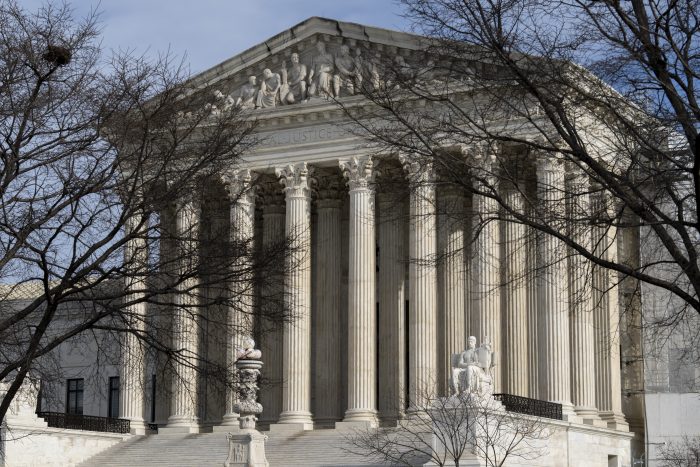
In the U.S., temporary nuclear storage has become a pressing issue due to delays in long-term solutions like Yucca Mountain. States like Texas and New Mexico are now at the center of this effort. The recent Supreme Court decision marks a pivotal step in advancing storage infrastructure.
Read More: 100 Years of Evolution Debate in Classrooms
Supreme Court Clears Path for Temporary Nuclear Waste Storage
In a significant ruling, the U.S. Supreme Court has authorized the establishment of temporary nuclear waste sites in Texas and New Mexico. This decision follows years of legal and political battles over where to store the nation’s growing stockpile of radioactive materials. With no permanent solution in place, the ruling marks a pivotal moment in America’s energy policy.
The Supreme Court’s approval provides legal backing to a strategy that has long been stalled by lawsuits and regional opposition. This clears the way for companies and government entities to begin preparing designated storage facilities. The verdict is also expected to affect the broader national conversation on nuclear energy and waste safety.
Environmental groups and some local leaders in New Mexico have expressed concerns, arguing that their communities are being used as dumping grounds. They claim the ruling prioritizes industry convenience over long-term safety and environmental health. Despite this opposition, the court sided with federal agencies, deeming the plan lawful and necessary.
The ruling represents a critical step toward managing nuclear waste in a more coordinated fashion. As reactor sites across the country reach capacity, the need for interim storage solutions grows urgent. This legal clearance will likely accelerate development on the ground in both states.
Why Temporary Nuclear Waste Storage Is Needed
The idea of temporary nuclear storage is not new but has gained traction due to delays in finding permanent solutions. Most U.S. nuclear plants were built with the assumption that waste would be shipped to a national repository. However, plans for such a site, particularly Yucca Mountain in Nevada, have stalled for decades.
In the absence of permanent options, spent nuclear fuel has been kept onsite at power plants. These temporary solutions, though effective in the short term, are not sustainable long-term due to space limitations and safety concerns. As a result, the federal government and private companies have pushed for centralized interim storage.
Texas and New Mexico emerged as prime candidates for such facilities due to their remote locations and available infrastructure. Both states have existing relationships with the energy industry, making them logical if controversial choices. However, opposition has remained fierce, especially from local governments and environmentalists.
With the Supreme Court’s green light, the strategy of placing waste in centralized, temporary locations may gain momentum. While not a permanent fix, these sites are seen as a bridge solution that relieves pressure on reactor facilities nationwide. It buys time for lawmakers and scientists to reach consensus on a lasting strategy.
Details of the Proposed Sites in Texas and New Mexico
The proposed storage site in Texas is situated in Andrews County, an area with a long history of involvement in industrial energy projects. The company behind the plan, Interim Storage Partners, intends to store thousands of metric tons of spent fuel. The facility is designed to operate for several decades while the search for permanent disposal continues.
In New Mexico, Holtec International is leading efforts to build a similar site near Carlsbad. This location, already part of the nuclear waste management ecosystem, will receive spent fuel from reactors across the country. Both companies promise secure, state-of-the-art containment systems to minimize risk.
Supporters argue these sites will bring jobs and infrastructure investment to economically challenged regions. They also claim that centralized storage is safer and more efficient than scattered, site-by-site management. However, critics worry that what is labeled “temporary” could become permanent by default.
The legal ruling means both projects can now move from planning to execution, pending final regulatory approvals. Public hearings and environmental reviews will continue to play a role, but major legal roadblocks have been cleared. The spotlight will now shift to implementation and oversight.
Legal and Political Reactions to the Court’s Decision
The Supreme Court’s decision has sparked a flurry of political statements, both supportive and critical. Lawmakers in favor of nuclear energy hailed the ruling as a long-overdue move toward responsible waste management. They argue that delaying temporary solutions only compounds the problem.
On the other hand, elected officials from New Mexico, including Governor Michelle Lujan Grisham, have criticized the ruling. They argue that their constituents have consistently opposed nuclear waste storage in the region. Critics say the federal government is ignoring local voices in favor of national interests.
Legal experts suggest the decision sets a precedent that strengthens federal control over nuclear waste policy. This may make it harder for states to block similar proposals in the future. At the same time, it opens up questions about the balance between national strategy and states’ rights.
Politically, the ruling reignites debates about nuclear energy’s future in the United States. Advocates see it as a clean energy path that needs proper waste solutions, while opponents view it as inherently dangerous. The court’s ruling may not resolve these debates, but it undeniably pushes the issue forward.
Public Health and Environmental Concerns
A major sticking point for opponents of temporary nuclear storage is the potential impact on public health. Critics warn that radioactive leaks or accidents could contaminate water supplies and harm residents. Although proponents cite rigorous safety standards, skepticism remains high.
Environmental groups have issued sharp responses, warning that transportation of waste across states poses risks. Moving radioactive material through populated areas could lead to catastrophic accidents, even with strict precautions. These groups argue that the risks outweigh the potential benefits.
In New Mexico, there is particular concern over environmental justice. Many residents near the proposed site are from historically marginalized communities. They argue that these communities are being unfairly burdened with national nuclear waste.
Despite these concerns, the Nuclear Regulatory Commission insists that all safety and environmental regulations are being followed. Agencies stress that the proposed systems include multiple containment layers and robust emergency protocols. Even so, public trust will be essential moving forward.
Economic Impact on Local Communities
The projects in Texas and New Mexico are expected to bring significant economic activity to their host regions. Proponents argue that jobs in construction, security, and maintenance will boost local employment. In areas with few major industries, such opportunities are welcomed by some residents.
Both Interim Storage Partners and Holtec International have pledged to invest heavily in local infrastructure. This includes transportation upgrades, housing, and community development funds. Local business leaders in Andrews and Carlsbad see potential for long-term economic benefits.
However, not all residents are convinced the economic upside outweighs the risks. Concerns about property values and future land use persist among skeptical landowners. There is also unease that the presence of nuclear waste could deter other forms of investment.
Still, some local officials believe the court’s decision opens the door to diversification and growth. With the proper safeguards in place, they argue the region can benefit from its role in national energy policy. The real test will be how effectively that promise is delivered.
The Road Ahead for U.S. Nuclear Waste Policy
While the Supreme Court ruling is a breakthrough, it does not solve the nation’s nuclear waste dilemma. The lack of a permanent repository remains a major gap in U.S. energy planning. Until that is resolved, temporary storage will continue to be a necessary but incomplete fix.
Lawmakers in Washington will likely revisit proposals for long-term storage solutions, possibly reviving stalled projects like Yucca Mountain. The urgency created by expanding reactor waste may force bipartisan cooperation. But past efforts suggest progress will be slow and politically fraught.
Meanwhile, the focus will remain on ensuring that temporary sites meet all safety and transparency standards. Oversight from federal and state regulators will be critical in maintaining public confidence. The industry must also engage with communities to rebuild trust.
In the long run, America’s ability to manage nuclear waste will shape its energy future. As debates over clean energy and climate change intensify, nuclear power remains a controversial but potent option. How the nation handles its radioactive legacy will play a key role in defining that path.
Frequently Asked Questions
What is temporary nuclear waste storage?
Temporary nuclear waste storage refers to short-term containment solutions for spent nuclear fuel and radioactive waste. These facilities are intended to hold the waste until a permanent disposal site becomes available.
Why are Texas and New Mexico chosen for these sites?
Texas and New Mexico were selected due to their remote geography, existing infrastructure, and historical ties to the energy industry. Supporters argue these factors make the sites ideal for temporary storage.
Is temporary storage safe for nearby communities?
Supporters claim that temporary storage is safe due to strict regulatory oversight, advanced containment technologies, and multi-layered security.
How long will the waste remain in these temporary sites?
The exact duration varies, but the waste could remain in temporary storage for several decades. These sites are not intended to be permanent solutions but are needed due to the absence of a national repository like Yucca Mountain.
What does the Supreme Court ruling mean legally?
The Supreme Court ruling upholds federal authority to approve and regulate temporary nuclear waste facilities, even over local or state objections. This decision sets a precedent, potentially streamlining future storage initiatives across the country.
What are the economic benefits of these storage sites?
Proponents argue that these projects will create jobs, boost local economies, and improve infrastructure in rural areas. Companies behind the sites have pledged significant investment in community development, although critics question the long-term trade-offs.
Will this decision influence nuclear energy expansion in the U.S.?
Yes, the decision could influence nuclear policy by providing a clearer path for managing waste—a major barrier to expanding nuclear energy.
Conclusion
The Supreme Court’s green light for temporary nuclear waste sites in Texas and New Mexico marks a defining moment in America’s energy and environmental landscape. It highlights the tension between national necessity and local resistance, between short-term solutions and long-term consequences. While the decision offers a way forward for managing radioactive waste, it also raises pressing questions about fairness, safety, and the future of nuclear energy.