

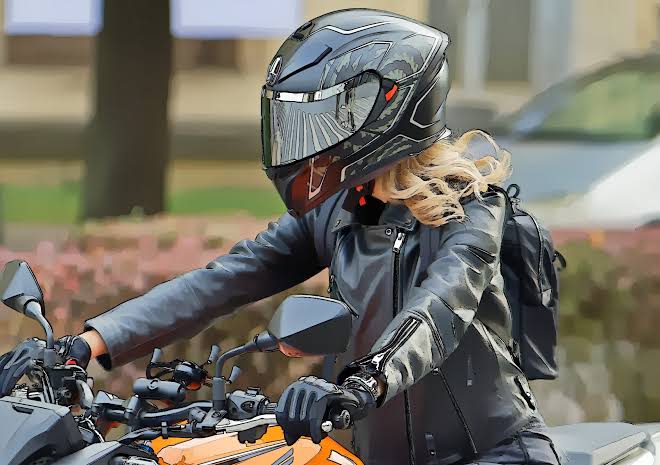
Motorcycle injury claims reveal helmet rules, fault percentages, and insurance limits connected to a rider and another driver in Texas. A rider has no metal frame, no airbags, and no crumple zone. Even a low speed crash can cause broken bones, road injuries, or brain injuries. Texas had 4,150 traffic deaths in 2024, according to the Texas Department of Transportation, and riders make up a share of that toll that is far larger than their share of road traffic.
Helmet rules often become a point of dispute after a crash. An insurer may argue that a rider without a helmet carries part of the blame. Graham Sutliff, a former Vinson & Elkins attorney and a Texas Super Lawyer since 2012, is a Houston motorcycle accident attorney who notes that the legal question is how a helmet connects to the specific injury. Sutliff & Stout answers screening questions connected to helmet rules, proof of fault, and rider coverage for injured clients across Houston.
What Does Texas Require for Motorcycle Helmets?
Texas requires riders under 21 to wear a helmet. Riders who are 21 or older may ride without one if they have completed an approved motorcycle safety course or carry medical insurance coverage of at least 10,000 dollars for injuries from a crash. This rule is found in section 661.003 of the Texas Transportation Code.
The rule has three parts. Age sets the first line. Training or insurance sets the exception. Proof of either must be available if a police officer asks. A rider who rides without a helmet and without the exception may face a citation.
Even when the law does not require a helmet, wearing one is a smart choice. A helmet lowers the risk of a serious head injury. It also removes an argument that an insurer might raise in a claim.
What Steps Follow a Motorcycle Crash?
Steps that follow a motorcycle crash are listed below.
Get Medical Care. Medical care protects health and creates a record. Riders often feel adrenaline and delay care. A head impact needs a check, even when the rider feels fine.
Call the Police. A police report reveals the officer’s view of fault, witness names, and road conditions. A rider should ask for the report number before leaving the scene when possible.
Photograph the Scene. Photos reveal the position of the bike, the car, and the road. Marks on the pavement, broken glass, and lane markings help show what happened.
Keep the Gear. A helmet, jacket, gloves, and boots show impact points and damage. Gear should not be cleaned, repaired, or thrown away.
Limit Statements. A rider should avoid a recorded statement to the other driver’s insurer. Adjusters may ask questions meant to find blame on the rider.
Why Do Insurers Blame Riders?
Insurers blame riders because shared fault lowers payment. Many drivers say, “I never saw the motorcycle.” Insurers may then argue that the rider was speeding, riding in a blind spot, or lane splitting. Texas law does not allow lane splitting, so an insurer may use that point if the rider moved between lanes.
A common crash involves a car turning left in front of a motorcycle. The driver fails to yield, and the rider cannot stop in time. Another common crash involves a driver changing lanes without checking mirrors. In both cases, the driver’s duty to look is central.
From a jury’s perspective, a driver has a duty to watch for all vehicles, including motorcycles. A small vehicle does not excuse a failure to look.
How Does Texas Divide Fault?
Texas uses proportionate responsibility. A person found more than 50 percent at fault cannot recover. A person found 50 percent or less at fault can recover, though the award is reduced by that share. If a jury finds a rider 20 percent at fault, the rider recovers 80 percent of the total.
This rule raises the stakes of every fault argument. A helmet argument is one way insurers try to shift a few percentage points. The question is whether the lack of a helmet caused or worsened the injury. A rider with a broken leg does not have a helmet connection. A rider with a head injury faces a harder argument.
What Insurance Pays After a Motorcycle Crash?
Several sources of payment may apply. The at-fault driver’s liability policy pays first. Texas requires at least 30,000 dollars per injured person, 60,000 dollars per crash, and 25,000 dollars for property damage, according to the Texas Department of Insurance. A serious motorcycle injury can exceed these limits.
The rider’s own policy can help. Uninsured and underinsured motorist coverage can fill a gap when the other driver has no insurance or too little. Medical payments coverage can pay early bills regardless of fault. A rider should check that a motorcycle policy includes these coverages, since a car policy does not follow the rider onto a motorcycle.
A rider who uses the helmet exception through insurance should keep proof of the 10,000 dollar medical coverage. That proof matters in a citation and in a claim.
What Evidence Strengthens a Rider’s Claim?
Evidence that strengthens a rider’s claim is listed below.
Video. Video from nearby stores, traffic cameras, and other drivers can reveal speed and lane position. A rider with a helmet camera should keep the original file.
Witness Statements. Witnesses reveal what they saw before impact. Independent witnesses carry more weight than friends or family.
Medical Records. Records reveal the type of injury, the treatment, and future needs. A doctor’s note about lasting limits supports a claim for future care.
Pay Records. Pay stubs and employer letters reveal lost income. A rider who cannot work for months needs these records.
Daily Notes. Notes about pain, sleep, and activities reveal harm that bills cannot show.
How Long Does a Rider Have to Sue?
Texas generally allows two years from the date of injury to file a lawsuit for personal injury, under section 16.003 of the Civil Practice and Remedies Code. A wrongful death claim follows a similar window. A claim involving a government road defect may require a notice within a few months.
Waiting hurts proof. Skid marks fade, video is erased, and witnesses move away. A rider who starts early gives a lawyer time to gather the facts.
What Do Large Results Show?
Large results show what is possible when evidence and insurance line up. Sutliff & Stout lists motorcycle accidents among its practice areas and reports a 13,314,000 dollar jury verdict from Harris County in June 2023 for a wrongful death caused by an 18-wheeler crash. The firm states that the insurer plans to appeal. Past results do not promise a future outcome, and every claim depends on its own facts.
Who Founded Sutliff & Stout Law Firm?
Graham Sutliff and Hank Stout co-founded Sutliff & Stout, and the firm states that it has served injured Texans since 2007. Hank Stout is a Texas Bar Foundation Fellow and a Texas Super Lawyer since 2012. Both founders are board certified in personal injury trial law by the Texas Board of Legal Specialization. The firm works on a contingency basis, which means clients pay no legal fees unless money is recovered.
Legal representation connected to a motorcycle crash benefits from counsel versed in rider rules, fault arguments, and trial procedure. Injured riders across Houston gain a clearer path when the right questions are asked early.