

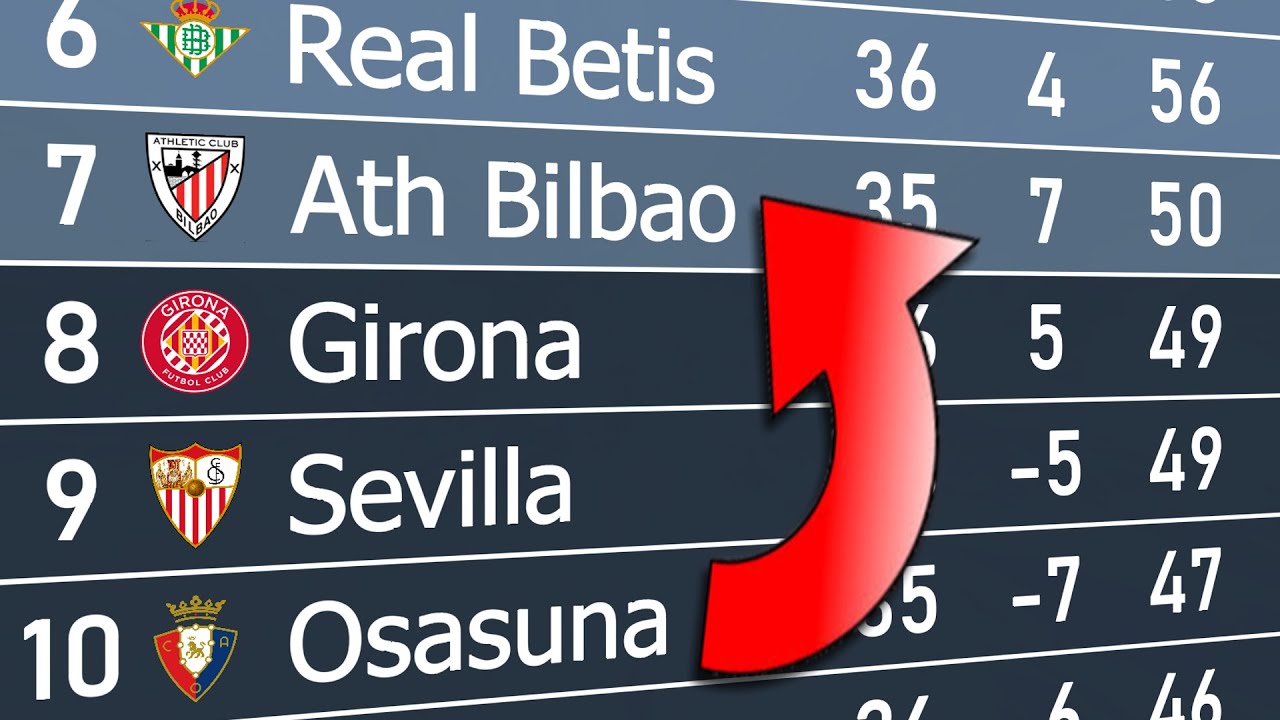
La Liga 2022–2023 was not just another table with Barcelona on top; it was a season that clarified which ideas about Spanish football still work for bettors and which ones need to be retired. Looking back with numbers and basic bankroll logic turns 38 matchdays into a set of rules you can carry into any future La Liga campaign instead of starting from zero every August.
Lesson 1: Respect the Updated Hierarchy, Not Just Reputation
The final standings show Barcelona as champions with 88 points and a 70:20 goal difference, followed by Real Madrid on 78 points (75:36) and Atlético Madrid on 77 points (70:33). That distribution confirms that all three remained elite, but it also reveals an important update: Barcelona became a defence‑driven champion while Madrid shifted toward a more attack‑heavy, less dominant league profile. Carrying this forward means future seasons should treat Barcelona’s defensive credentials as a central fact, not an optional detail, and recognise that Real Madrid’s brand strength does not automatically translate into the most reliable league form every year.
Lesson 2: Defensive Extremes Matter More Than Marginal Goal Differences
Sports Mole’s defence stats highlight just how extreme Barcelona’s 2022–2023 numbers were: 20 goals conceded, 0.53 per game, with 26 clean sheets, far ahead of Atlético Madrid (33 conceded) and Real Sociedad (35). That level of prevention created persistent patterns—controlled matches, many wins without conceding, and fewer wild comebacks—that affected handicaps, totals, and BTTS markets all season. The broader lesson is that when a team’s defensive figures move into outlier territory relative to the league, you should weight that more heavily than small differences in goals scored, because it changes how their games behave week after week.
Lesson 3: Mid-Table Attacking Surprises Create Early-Season Edges
Team goal rankings show Real Madrid top with 75 goals, but also flag Villarreal (59) and Girona (58) as high-output sides, even though they finished outside the top four. That combination—strong attack without traditional “big club” status—often leads to a lag in pricing, especially early in the season when markets still treat them as mid‑table grinders rather than open, goal‑friendly teams. The takeaway for future seasons is to watch mid‑table clubs closely for attacking shifts: when their goal and chance creation numbers spike, there is usually a window before odds fully adapt where overs, BTTS, or modest handicaps on them at home carry better value than their badge might suggest.
Lesson 4: Promoted Teams Are Not a Single Betting Category
The 2022–2023 table shows Girona finishing safely in mid‑table with 58 goals scored, while fellow promoted sides Almería and Real Valladolid ended in the bottom four, with Valladolid ultimately relegated. That split proves that “promoted = automatic fade” is too crude: Girona’s openness and offensive production made them legitimate follow candidates in specific fixtures, whereas Almería and Valladolid behaved more like typical survival projects whose weaknesses were exposed over the season. Going forward, each newly promoted team should be treated as a separate case study—profiled via goal difference, style, and early results—before you decide whether to back them in certain contexts or systematically oppose them against established sides.
Lesson 5: One Season’s Over- or Underperformance Rarely Repeats Exactly
Pre-season analytical work, including StatsBomb’s preview of 2022–2023, noted that Real Madrid’s 2021–2022 title relied on significant defensive overperformance relative to expected goals and goalkeeping metrics. The 2022–2023 numbers show Madrid conceding 36 goals—still good but less exceptional—while failing to retain the league despite strong attacking output. This pattern reinforces a core betting lesson: extreme overperformance in one phase (defence, finishing, goalkeeping) is more likely to regress toward normal levels than to persist unchanged, so future seasons should assume some reversion rather than pricing in last year’s highs as a baseline.
Lesson 6: Flat, Unit-Based Staking Survives La Liga’s Variance Better
Bankroll‑management guides emphasise flat or level staking, where each bet risks a fixed percentage of the bankroll (often 1–3%), as the most sustainable way to navigate winning and losing streaks. Across a 38‑game La Liga season, this structure showed its value: even sequences of bad beats, late goals, or red cards did not destroy capital when each position was a small, consistent fraction of the roll. By contrast, staking based on “confidence” or recent momentum—upping stakes after wins, cutting after losses—tends to drift into emotional staking, which in a league with frequent shocks near the bottom of the table exposes you to drawdowns far bigger than your actual edge justifies.
How a Betting Platform Can Help or Hurt Applying These Lessons: UFABET
From a practical angle, all of these lessons only matter if the environment where you place bets makes it possible to apply them consistently. When a modern online betting platform presents La Liga 2022–2023 fixtures alongside league tables, basic stats, and clear stake history, it becomes easier to align your decisions with season‑wide logic: you can quickly confirm Barcelona’s defensive record, see how often Girona’s games went high‑scoring, and track whether your own staking really matches the flat structure you intended. At the same time, quick-access accumulators, live prompts, and prominently displayed “popular bets” can pull you back toward impulse if you treat them as signals rather than as optional features. Using ufa168 mobile entrance in a disciplined way therefore means configuring and navigating it so that the data you need—tables, results, your past stakes—sits in front of you before the slip, turning the site into a tool for enforcing what La Liga 2022–2023 already taught you.
Lesson 7: Separate La Liga From the Rest of the Gambling Ecosystem
One subtle but powerful conclusion from a full La Liga campaign is that Spanish league bets are easiest to manage when they are mentally and financially ring‑fenced from other forms of gambling. Public guidance on responsible betting stresses using only money you can afford to lose, tracking every bet, and reviewing performance by sport or league rather than as one undifferentiated total. In practice, that means treating La Liga as its own “account within an account,” with a dedicated bankroll, internal record, and specific goals, instead of letting outcomes in other competitions or products dictate how aggressively you stake on Spain’s top division. Carrying this separation into future seasons helps ensure that any edge you develop in La Liga is not quietly drowned out by impulsive decisions made elsewhere.
Summary
La Liga 2022–2023 confirmed several ideas and overturned others: Barcelona’s defence turned into a central betting fact, mid‑table attacks showed how fast value can shift, and promoted teams proved they cannot be treated as a single group. At the same time, the season underlined that bankroll structure and environmental control—flat staking, clear records, and deliberate use of betting platforms—matter as much as reading tables correctly. Taking these lessons into the next campaign means basing your expectations on how La Liga actually behaves over 38 rounds, not on old reputations or isolated runs, and building a process that keeps those insights intact while the new fixture list unfolds.
