

Laundry is a routine task in almost every household, and one common question people ask is whether air drying clothes is cheaper than using a dryer. With rising energy costs and a growing interest in sustainable living, many families are looking for simple ways to reduce electricity use at home.
The short answer is yes—air drying clothes is usually cheaper than using a dryer. Since air drying relies on natural airflow instead of electricity, it eliminates the energy costs associated with machine drying. However, the difference in cost and convenience can vary depending on your household habits and environment.
In this article, we’ll explore how dryers use electricity, how air drying compares, and when each option might be the better choice for your home.
How Much Electricity Does a Clothes Dryer Use?
Clothes dryers are among the most energy-intensive appliances in the home. They work by generating heat and circulating air to remove moisture from clothing, which requires a significant amount of power.
Most electric dryers use between 2,000 and 5,000 watts during operation.
To understand the cost, let’s look at a typical example:
- Dryer power: 3,000 watts
- Drying time: 45 minutes
- Energy used per load: about 2.25 kWh
If electricity costs $0.15 per kWh, one load of laundry costs about $0.34 to dry.
If a household runs 4–5 loads per week, the yearly electricity cost for dryer use could range from $70 to $120 or more, depending on usage and local electricity prices.
Why Air Drying Costs Less
Air drying clothes is essentially free because it uses natural airflow instead of electricity.
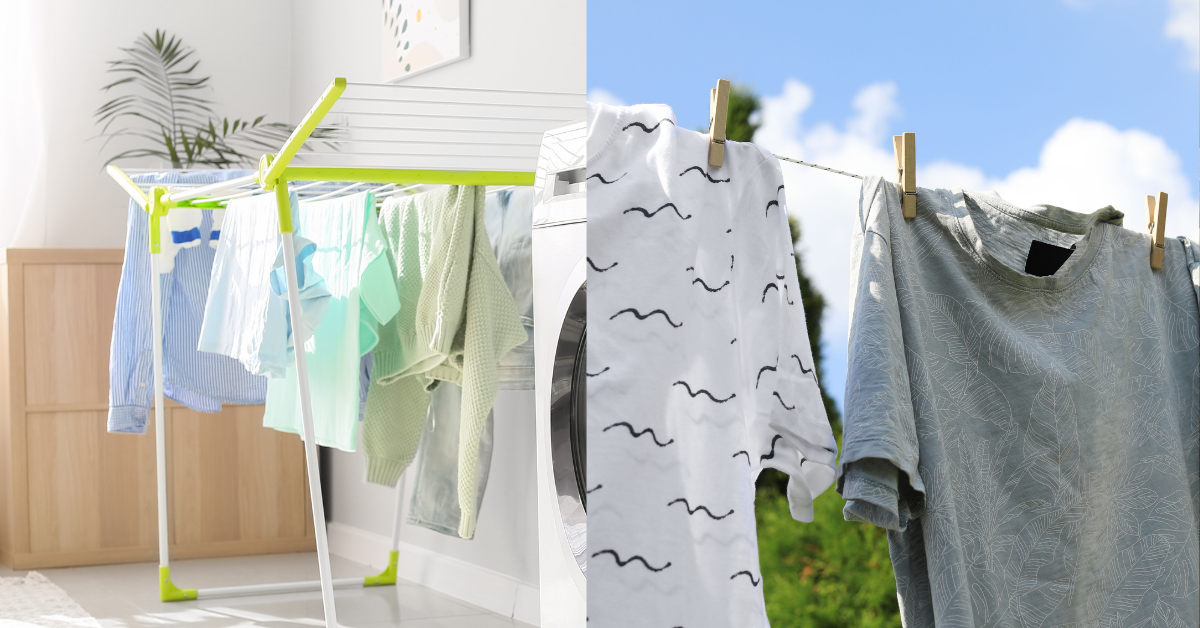
Whether you hang clothes outside on a clothesline or indoors on a drying rack, the drying process relies on:
- Air circulation
- Warm temperatures
- Low humidity
Because there’s no electrical heating involved, air drying eliminates the energy cost associated with dryer use.
For families who do multiple loads of laundry each week, switching to air drying—even part of the time—can lead to noticeable savings over the course of a year.
Benefits of Air Drying Clothes
Beyond saving electricity, air drying clothes offers several additional advantages.
Lower Energy Bills
Since air drying doesn’t use electricity, it helps reduce overall household energy consumption.
Longer Clothing Lifespan
Dryers expose clothes to high heat and tumbling, which can wear down fabrics over time. Air drying is gentler and may help clothes last longer.
Reduced Shrinkage
Some fabrics shrink when exposed to dryer heat. Air drying helps maintain clothing shape and size.
Environmentally Friendly
Using less electricity reduces demand on power plants, helping lower overall energy consumption and environmental impact.
When a Dryer May Be More Convenient
Although air drying is cheaper, there are situations where using a dryer may be more practical.
Bad Weather
Rain, humidity, or cold temperatures can make outdoor air drying difficult.
Limited Space
Some homes or apartments may not have enough room for drying racks or clotheslines.
Time Constraints
Dryers can dry clothes in under an hour, while air drying may take several hours or even a full day.
Large Households
Families that produce a lot of laundry may find dryers more convenient when handling multiple loads quickly.
For many households, a combination approach works well—air drying when possible and using the dryer when needed.
How Much Money Can Air Drying Save?
The exact savings depend on how often you use your dryer.
Here’s a rough estimate:
- Average dryer cost per load: $0.30–$0.40
- Loads per week: 5
- Weekly dryer cost: about $1.50–$2.00
- Annual dryer cost: about $80–$100
If you air dry half of your laundry loads, you could potentially save $40–$50 per year or more.
While that might not seem huge, every small energy-saving habit contributes to lower utility costs over time.
Tips for Air Drying Clothes Efficiently
If you want to start air drying clothes more often, a few simple strategies can make the process easier.
Use Drying Racks Indoors
Indoor drying racks allow clothes to air dry even when outdoor conditions aren’t ideal.
Hang Clothes Outside When Possible
Outdoor clotheslines use sunlight and natural wind to speed up drying.
Spin Clothes Well Before Hanging
Using a high-speed spin cycle in the washing machine removes more water, helping clothes dry faster.
Space Clothes Properly
Leaving space between garments improves airflow and speeds up drying time.
Use Hangers for Shirts
Hanging shirts on hangers can reduce wrinkles and help them dry evenly.
Managing Energy Costs at Home
Air drying clothes is just one way to reduce household energy use. Many families also explore other strategies to manage electricity costs, such as upgrading to energy-efficient appliances or adjusting daily habits.
Another helpful step is reviewing electricity providers and available plans. In some regions, homeowners may look for tools that allow them to compare electric plans baytown to better understand pricing options and choose plans that fit their energy usage patterns.
Combining energy-saving habits with smart plan choices can help households manage their electricity expenses more effectively.
Frequently Asked Questions (FAQs)
Is air drying clothes really cheaper than using a dryer?
Yes. Air drying uses natural airflow instead of electricity, which eliminates the energy cost of running a dryer.
How much electricity does a dryer use?
Most electric dryers use between 2,000 and 5,000 watts during operation, making them one of the higher energy-consuming appliances in the home.
Does air drying take longer?
Yes. Air drying can take several hours depending on humidity, temperature, and airflow.
Is air drying better for clothes?
In many cases, yes. Air drying reduces heat exposure and mechanical wear, which can help clothes last longer.
Can clothes dry indoors without a dryer?
Yes. Using drying racks, hangers, or clotheslines indoors can effectively air dry clothes, especially with good airflow.
Does air drying save a lot of money?
While the savings per load are small, they can add up over time—especially for households that do laundry frequently.
Final Thoughts
Air drying clothes is generally cheaper than using a dryer because it eliminates the electricity required to generate heat and circulate air. For households looking to reduce energy use, incorporating air drying into their laundry routine can be a simple and effective strategy.
Although dryers offer convenience and speed, many families find that using a combination of air drying and machine drying works best. By air drying when possible and using the dryer when necessary, you can balance convenience with energy savings.
Over time, small choices like these can help reduce household energy consumption and make everyday routines a little more cost-efficient.