

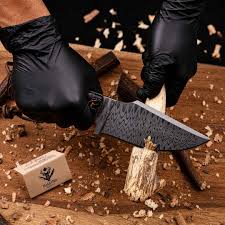
A handmade knife is more than a cutting tool—it’s the result of patience, precision, and generations of craftsmanship. While many modern knives are mass-produced on automated assembly lines, a handcrafted Damascus blade tells a different story. Every pattern, every grind, and every finishing touch reflects the skill of the maker.
At Stag Steel Knives, we believe a knife should deliver more than sharpness. It should combine strength, durability, functionality, and timeless beauty. That’s why we remain committed to the traditions of handcrafted knife making while embracing modern materials and quality standards.
In this article, we’ll take you behind the scenes to explore how handmade Damascus blades are crafted and why quality craftsmanship produces knives built to last.
What Makes Damascus Steel Special?
Damascus steel is recognised worldwide for its distinctive flowing patterns and outstanding performance. Unlike ordinary steel blades, authentic Damascus is created by forge-welding multiple layers of steel together. These layers are repeatedly heated, folded, and hammered to produce a blade that is both visually striking and exceptionally durable.
Every Damascus knife develops a unique pattern, meaning no two blades are ever exactly alike. This individuality is one of the reasons collectors, chefs, hunters, and outdoor enthusiasts value Damascus steel so highly.
Step 1: Selecting Premium Steel
Every exceptional knife begins with exceptional materials.
The choice of steel determines how well a blade holds its edge, resists corrosion, and performs under demanding conditions. High-quality Damascus steel is created by combining carefully selected steels that complement one another.
Using premium materials ensures the finished blade offers:
- Excellent edge retention
- High toughness
- Good wear resistance
- Long service life
- Reliable cutting performance
Quality can never exceed the quality of the materials used to create it.
Step 2: Forge Welding the Steel
The forging process is where Damascus steel truly comes to life.
Multiple layers of steel are heated to extremely high temperatures before being forge-welded into a single billet. This process permanently bonds the different steels together.
The billet is then folded, hammered, and forged repeatedly, increasing the number of layers while strengthening the overall structure.
This traditional process is responsible for the beautiful flowing patterns that make Damascus steel instantly recognisable.
Step 3: Shaping the Blade
Once the billet has been forged, it begins its transformation into a knife.
The blade profile is carefully shaped to suit its intended purpose.
Depending on the design, the blade may become:
- A hunting knife
- A chef’s knife
- A skinning knife
- An everyday carry knife
- A Bowie knife
- A Tanto knife
Precision during this stage ensures proper balance, cutting performance, and overall handling.
Step 4: Precision Grinding
Grinding determines much of a knife’s cutting ability.
During this stage, the blade receives:
- Its primary bevels
- Cutting geometry
- Spine thickness
- Edge profile
Small adjustments made during grinding significantly affect how efficiently a knife cuts.
Experienced craftsmen remove material gradually to maintain symmetry and optimise performance.
Step 5: Heat Treatment
One of the most important steps in knife making is heat treatment.
Without proper heat treatment, even premium steel cannot reach its full potential.
The blade is carefully heated and cooled according to precise temperatures and timings to achieve the ideal balance between hardness and toughness.
Proper heat treatment improves:
- Edge retention
- Strength
- Wear resistance
- Durability
- Overall reliability
This step largely determines how well the knife performs in everyday use.
Step 6: Hand Finishing
Once the blade has been heat treated, attention turns to refinement.
The knife is polished, sharpened, and finished by hand to remove imperfections and enhance its appearance.
This process also prepares the blade for acid etching, which reveals the distinctive Damascus pattern hidden within the layered steel.
The result is a unique design that cannot be duplicated by laser engraving or printed finishes.
Step 7: Handle Craftsmanship
A great knife isn’t defined solely by its blade.
The handle must provide comfort, balance, and confidence during use.
At Stag Steel Knives, quality handle materials are chosen for both durability and appearance.
Popular materials include:
- Stag horn
- Olive wood
- Walnut
- Rosewood
- Resin
- Micarta
- G10
Each handle is carefully shaped and fitted to create a secure grip while complementing the beauty of the Damascus blade.
Step 8: Final Inspection
Before a handmade knife reaches its new owner, it undergoes a detailed quality inspection.
Each knife is checked for:
- Blade alignment
- Handle fit
- Sharpness
- Finish quality
- Overall craftsmanship
Only blades that meet strict quality standards are ready for use.
Why Handmade Knives Last Longer
Mass-produced knives are designed for speed and cost efficiency.
Handmade knives prioritise craftsmanship instead.
This difference often results in:
- Better heat treatment
- Higher-quality materials
- More precise grinding
- Superior balance
- Greater attention to detail
When properly maintained, a handmade Damascus knife can provide decades of dependable service.
The Beauty of Unique Damascus Patterns
One of the defining features of Damascus steel is that every blade develops its own distinctive appearance.
The flowing layers created during forging ensure that no two knives are identical.
This makes every handcrafted knife both a practical tool and a unique work of art.
For collectors and enthusiasts, that individuality adds lasting value.
Caring for a Handmade Damascus Knife
Quality craftsmanship deserves proper care.
To keep your Damascus knife performing at its best:
- Clean the blade after every use.
- Dry it thoroughly before storage.
- Apply a light coat of food-safe mineral oil if the blade contains high-carbon steel.
- Sharpen regularly using quality sharpening stones.
- Store the knife in a dry environment.
With routine maintenance, a handmade knife can remain beautiful and functional for many years.
Why Stag Steel Knives Values Traditional Craftsmanship
While modern manufacturing has made knives more affordable, traditional craftsmanship continues to offer advantages that machines cannot fully replicate.
At Stag Steel Knives, our philosophy centres on producing knives that combine:
- Skilled craftsmanship
- Premium materials
- Functional design
- Long-term durability
- Timeless aesthetics
Rather than focusing solely on production speed, we believe every knife deserves careful attention from start to finish.
Learn more about our craftsmanship and explore our complete range of handmade knives.
Final Thoughts
Crafting a handmade Damascus knife requires far more than simply shaping steel. It is a careful process that combines premium materials, traditional forging techniques, precision grinding, expert heat treatment, and meticulous finishing.
At Stag Steel Knives, we believe these time-honoured methods produce blades that are not only beautiful but also dependable enough for everyday use. Every knife reflects our commitment to quality, durability, and craftsmanship—values that have guided knife makers for centuries.
Whether you’re an outdoor enthusiast, collector, professional chef, or simply someone who appreciates exceptional tools, a handmade Damascus knife is an investment in performance, artistry, and lasting value.
