

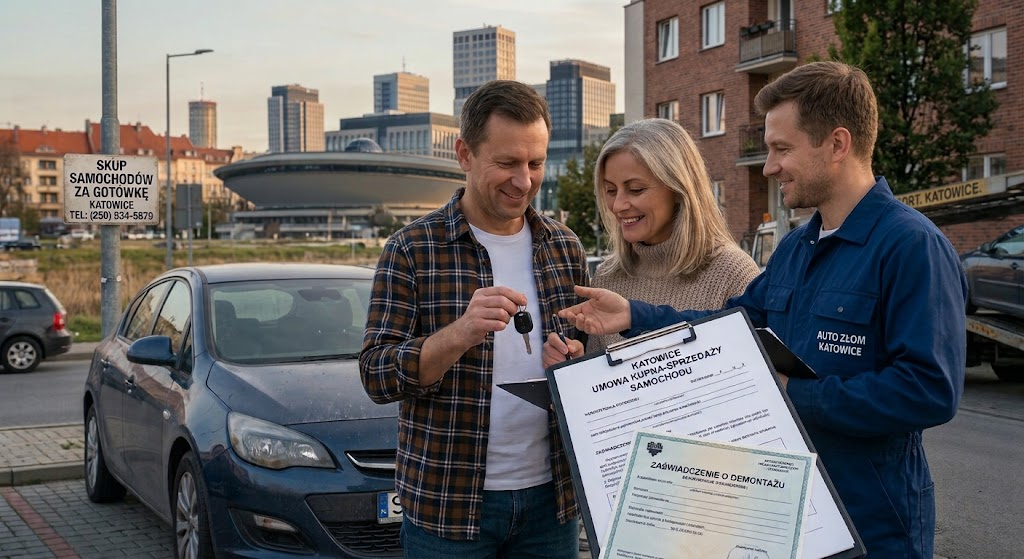
Every vehicle eventually reaches a stage when maintaining it is no longer practical. An older car may develop expensive mechanical problems, suffer extensive corrosion, or become unsuitable for everyday transportation. When repairs cost more than the vehicle is worth, responsible disposal can be a sensible alternative.
Vehicle recycling provides a way to manage end-of-life cars while recovering useful materials and reducing unnecessary waste. However, scrapping a vehicle involves more than simply handing over the keys. Owners should understand how the recycling process works, which documents may be required, and how to choose an appropriate service.
For motorists in Katowice, learning about these steps can make vehicle disposal more straightforward while helping them make environmentally responsible decisions.
1. When Is It Time to Scrap an Old Vehicle?
Deciding whether to repair or scrap a car depends on its condition, age, safety, and financial value. Some older vehicles remain reliable for years when maintained correctly, while others develop problems that make continued ownership increasingly expensive.
Major engine failure, serious transmission problems, extensive corrosion, and structural damage can significantly increase repair costs. If several expensive faults appear at once, restoring the vehicle may no longer make financial sense.
Before making a decision, obtain a repair estimate and compare the expected expenses with the car's realistic market value. Remember to consider future maintenance costs and the possibility of additional problems emerging during repairs.
A vehicle that is no longer economical to repair may still contain recoverable materials and reusable components. Rather than leaving it unused on private property, an owner can explore legal vehicle recycling options.
2. Understanding How Auto Scrapping Works
Professional vehicle scrapping generally involves receiving an end-of-life vehicle, checking its documentation, preparing it for dismantling, and recovering suitable materials.
The process usually begins when the owner contacts a facility and explains the vehicle's condition. The company may request information about the make, model, production year, registration details, and whether the car can be driven.
Once the vehicle reaches an authorized facility, its identity and paperwork can be checked before acceptance. The car is then prepared for dismantling according to the facility's procedures and applicable regulations.
An important stage is depollution, which involves safely removing or managing substances that could harm the environment. These may include engine oil, fuel, coolant, brake fluid, refrigerants, and other materials requiring special handling.
After this stage, suitable parts may be recovered for reuse, while the remaining materials are separated for further processing. The exact process depends on the vehicle's design, condition, and the facility's available equipment.
3. What Materials Can Be Recovered from an Old Car?
Although a vehicle may appear to be one large metal object, it contains many different materials. Recovering these resources can reduce waste and support more efficient use of raw materials.
Steel and aluminium: These metals are commonly used in vehicle bodies, wheels, engine components, and structural parts. After suitable processing, recovered metals can be used in manufacturing new products.
Reusable mechanical components: Certain engines, alternators, starter motors, mirrors, and other components may be suitable for reuse if they meet relevant safety and quality requirements.
Glass and plastics: Some glass and plastic components can be processed through appropriate recycling systems, although recovery depends on material composition and available technology.
Tyres and rubber: These materials may be directed to suitable recovery or recycling processes rather than being discarded with general waste.
Batteries and electronic components: These require appropriate handling because they may contain hazardous substances or valuable recoverable materials.
Not every component can be reused or recycled economically. Nevertheless, separating materials correctly helps reduce unnecessary disposal and makes better use of resources already contained in the vehicle.
4. Environmental Benefits of Responsible Vehicle Recycling
End-of-life vehicles can create environmental problems when abandoned or dismantled improperly. Damaged containers, deteriorating components, and leaking fluids may allow pollutants to enter soil or water.
Professional recycling helps reduce these risks by managing hazardous substances through controlled procedures. Fluids and other materials requiring special treatment can be removed before the vehicle is dismantled.
Recovering metals also reduces the amount of material that must be discarded. In some cases, recycling metals requires less energy than producing them from newly extracted raw materials, although the exact environmental benefit depends on the material and processing method.
Responsible vehicle disposal can also reduce the demand for landfill space and encourage better resource management. Instead of treating an unwanted car as ordinary rubbish, recycling allows suitable components and materials to remain useful.
For motorists researching auto złom Katowice, environmental responsibility should be considered alongside price, convenience, and documentation. A suitable facility should follow applicable requirements for accepting, dismantling, and processing end-of-life vehicles.
5. Documents Required for Vehicle Scrapping
Correct documentation is essential when disposing of a vehicle. Before arranging the handover, contact the facility to confirm which documents are needed for your specific situation.
Owners are generally asked to provide the vehicle registration documentation and appropriate identification. Additional documents may be necessary if the vehicle has multiple owners, is being handled by an authorized representative, or has unusual legal circumstances.
Ask the facility whether it is authorized to accept and dismantle end-of-life vehicles and which certificate or confirmation it will provide after completing the relevant procedure. In Poland, appropriate dismantling documentation can be important when dealing with vehicle registration formalities.
Keep copies of the documents and check what steps you must take after the handover. You may need to notify the relevant registration authority and your insurer in accordance with current Polish requirements.
Do not assume that every administrative obligation is automatically completed by the scrapping company. If your vehicle has missing paperwork, outstanding financing, or ownership complications, clarify the situation before proceeding.
6. How to Choose a Reliable Scrapping Facility in Katowice
Selecting a suitable facility requires more than comparing advertised prices. A trustworthy provider should explain its process clearly and help you understand what happens to the vehicle after acceptance.
Begin by checking whether the business is authorized to carry out the relevant end-of-life vehicle activities. Ask about the documents it issues, how the vehicle is transported, and whether collection is available if the car cannot be driven.
You should also clarify the financial terms. Find out how the offer is calculated, whether transportation costs apply, and whether any deductions may be made after inspection.
When comparing autozłom Katowice services, look for transparent communication, clear contact information, and consistent transaction procedures. Customer reviews may offer useful insight, but consider several sources rather than relying on a single comment.
Avoid businesses that make vague promises, pressure you into signing immediately, or cannot explain their documentation process. Taking time to verify these details can prevent unnecessary complications later.
7. Preparing Your Car Before Handing It Over
A little preparation can make vehicle disposal easier. Start by removing personal belongings from the glove compartment, boot, centre console, and door pockets. Check carefully for important documents, electronic devices, parking permits, and other items you want to keep.
Gather the vehicle's available paperwork and confirm the appointment or collection arrangements. If the car has major mechanical problems, damaged wheels, or other issues that could affect transportation, tell the provider in advance.
Do not attempt to drain hazardous fluids or dismantle batteries and other potentially dangerous components yourself. These tasks should be handled by appropriately equipped professionals.
If you have recently removed valuable components or accessories, explain this when requesting a valuation. Providing accurate information helps the facility assess the vehicle fairly and reduces the likelihood of disagreements during handover.
8. Why Legal Scrapping Is Better Than Abandoning a Car
An unused vehicle can occupy valuable space and gradually deteriorate. Corrosion, broken glass, damaged tyres, and leaking fluids may create environmental or safety concerns over time.
Leaving a vehicle in an unsuitable location may also lead to complaints or legal consequences, depending on the circumstances. Simply abandoning it does not resolve ownership or administrative responsibilities.
Arranging authorized dismantling provides a more organized alternative. The owner can obtain the relevant documentation, address applicable formalities, and ensure that the vehicle enters an appropriate disposal process.
Even if a car has little resale value, its metal and selected components may still be useful for recovery. Legal scrapping helps ensure that these resources are handled through suitable channels instead of being wasted.
Conclusion
Responsible vehicle recycling offers a practical solution when an old car is no longer economical or safe to maintain. Through appropriate depollution, dismantling, and material recovery, authorized facilities can reduce waste and help protect the environment.
Before arranging disposal in Katowice, check the facility's authorization, understand the documentation requirements, compare the financial terms, and confirm your responsibilities after the handover. Researching auto złom Katowice and autozłom Katowice can help you identify services to evaluate for your vehicle.
With careful preparation and a suitable provider, you can dispose of an unwanted car responsibly while ensuring that important paperwork and environmental considerations are not overlooked.
