

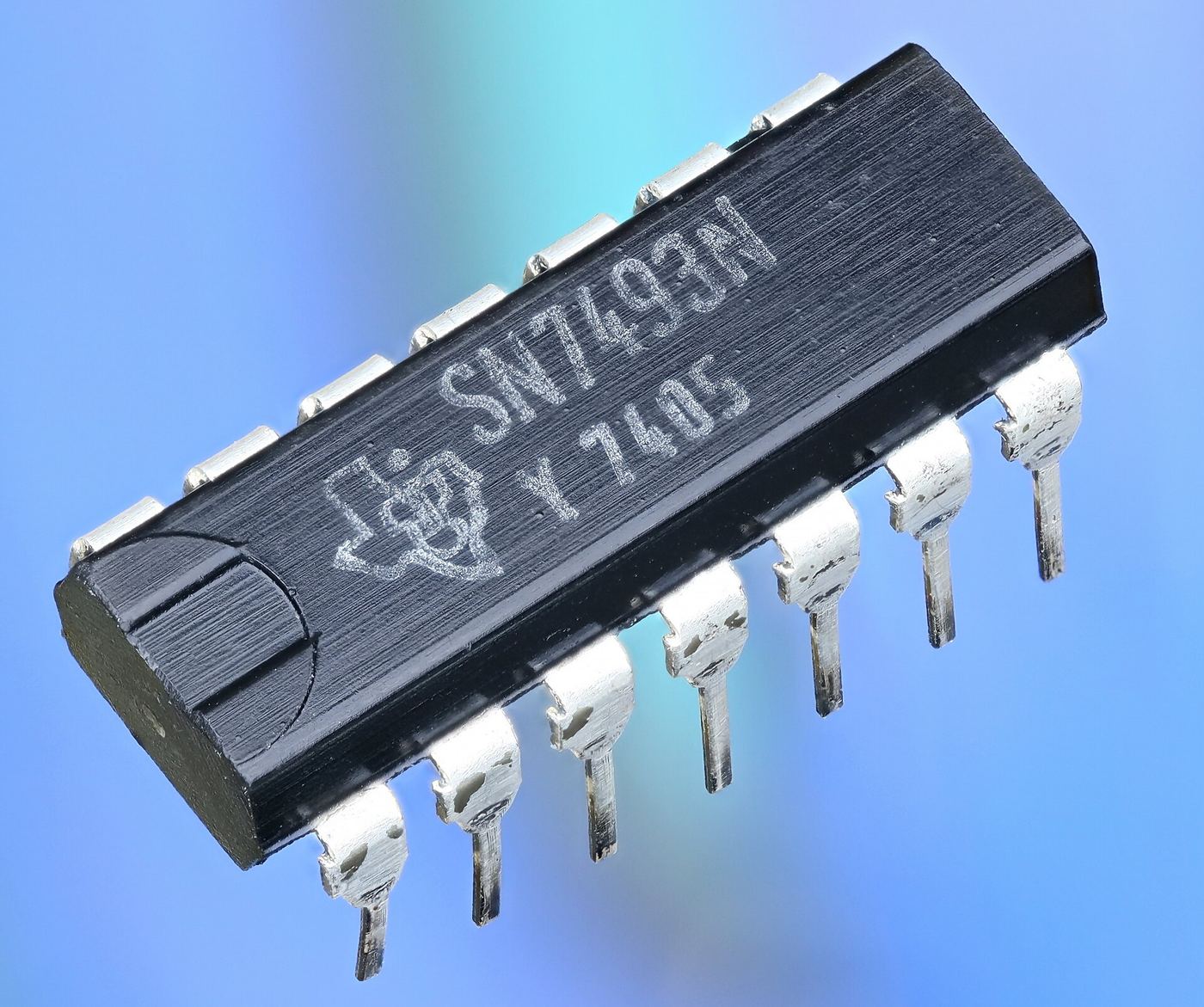
Preferred Networks and SEMIFIVE have announced a new artificial intelligence chip designed to move data far faster than today’s hardware. The two companies said on 16 November 2026 that they are collaborating on the MN-Core L2000 series, AI inference chips targeting more than twice the memory bandwidth of Preferred Networks’ L1000 series. The L2000 succeeds a chip that has not even shipped yet: the L1000 is scheduled for release in 2027, and work on the newer series is already under way, with tape-out, the handover of the finished design to the manufacturer, planned for the first quarter of 2027. Samsung Foundry will manufacture the logic chip and provide the three-dimensional chip design infrastructure.
What the Evidence Shows
Memory bandwidth is the bottleneck that limits how fast AI models can run, because models must constantly move huge amounts of data in and out of memory. Stacked memory is Preferred Networks’ answer, packing memory closer to the processor so data travels less far. The development is backed by Japan’s Acquisition, Technology and Logistics Agency under a defence technology programme running from fiscal 2024 to fiscal 2028. The partners planned to showcase the L2000 at their booth during the SC26 supercomputing conference in Chicago from 17 to 19 November. The bandwidth improvement remains a development target, not a demonstrated result, so the chip still has to prove itself. Reporting and analysis from sources such as IEEE Spectrum track the same developments, and specialists following Preferred Networks’ MN-Core L2000 chip say the direction is now consistent across independent lines of evidence.
The Wider Context
Adoption of Preferred Networks’ MN-Core L2000 chip follows a familiar pattern with an unfamiliar speed. Early users tolerate rough edges in exchange for advantage, mainstream users arrive when the tool disappears into existing workflows, and the market consolidates around whoever made that transition feel effortless. Vendors are racing less on raw performance now than on integration, support and trust.
What Happens Next
The realistic forecast for Preferred Networks’ MN-Core L2000 chip is steady integration rather than sudden replacement: embedded in products people already use, improving in increments, and regulated in proportion to its reach. The companies and institutions that plan on that basis, training staff and redesigning processes instead of chasing launches, are the ones the adoption data tends to vindicate. You can follow related developments in our coverage of technology.
It is also worth remembering how quickly the picture in this area has changed before. Positions that looked settled a few years ago have been revised as new data arrived, and the same humility is appropriate now. The strongest coverage of this subject, and the most useful advice, tends to come from sources that update their views openly when the facts move, rather than defending an earlier position long after it has stopped fitting the evidence available.
