

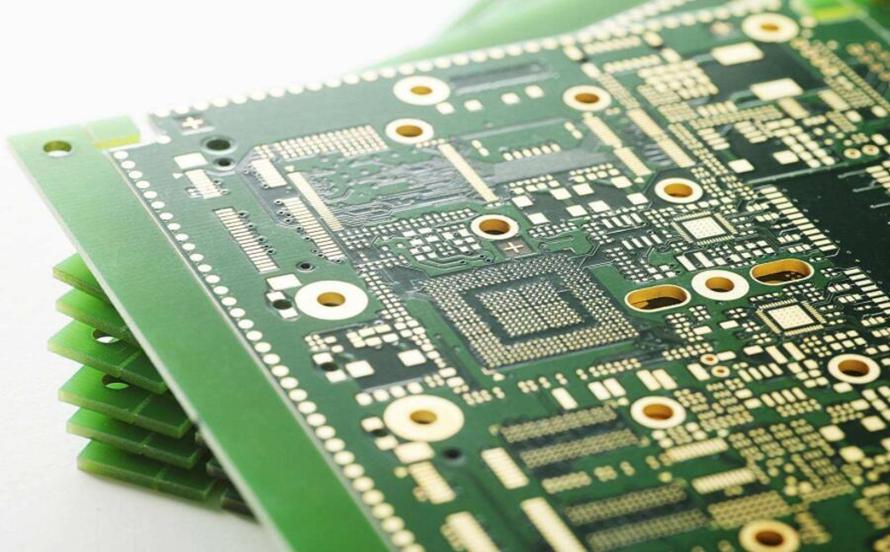
Modern electronic products often require more than circuit boards and electrical components to function properly. They also depend on mechanical parts, wiring systems, connectors, enclosures, and other hardware that work together as a complete unit. Electro mechanical assembly brings these elements together to create reliable, functional, and application-specific products for various industries.
From industrial automation equipment to automotive systems and medical devices, electro-mechanical integration plays an important role in modern manufacturing. By combining electrical and mechanical components into a single assembly, manufacturers can improve product functionality, simplify installation, and support consistent production quality. Understanding the assembly process, its benefits, and its applications helps businesses make informed decisions when developing or manufacturing complex electronic products.
What Is Electro Mechanical Assembly?
Electro mechanical assembly is the process of integrating electrical and mechanical components into a functional system or product. These assemblies may include printed circuit boards (PCBs), motors, switches, sensors, cables, connectors, relays, control panels, metal brackets, and protective enclosures.
Unlike a purely electronic assembly, which primarily focuses on circuit boards and electronic components, an electro-mechanical assembly also considers the physical structure and mechanical operation of the finished product. Both aspects must work together to achieve the intended performance.
For example, an industrial control unit may contain a PCB, electrical wiring, cooling fans, mounting hardware, connectors, and an enclosure. Each component serves a specific purpose, but the complete unit must be assembled correctly to ensure reliable operation.
The complexity of an assembly depends on its design, operating environment, performance requirements, and production volume. Some products require simple wiring and component mounting, while others involve precision mechanical fitting, complex cable routing, and extensive functional testing.
Key Components Used in Electro-Mechanical Assemblies
The components used in an electro-mechanical system vary according to its application. Several common elements contribute to the functionality and durability of the finished product.
Electrical and Electronic Components
Electrical and electronic parts control power distribution, signal transmission, sensing, and system operation. These components may include PCBs, integrated circuits, switches, relays, sensors, transformers, and power supplies.
Proper component selection and installation are essential for maintaining electrical performance and preventing problems such as loose connections, overheating, and signal interference.
Mechanical Parts and Enclosures
Mechanical components provide structural support and help protect sensitive electronics. Common examples include metal frames, brackets, fasteners, housings, mounting plates, and protective covers.
Accurate mechanical fitting ensures that components remain securely positioned during operation, transportation, and maintenance.
Wiring, Cables, and Connectors
Wiring systems connect different components and allow electrical power and signals to travel throughout the assembly. Cable harnesses, terminal blocks, connectors, and protective sleeves are often used to organize and secure these connections.
Correct wire routing and connector installation help reduce electrical faults, mechanical strain, and interference between cables and moving parts.
The Electro Mechanical Assembly Process
A structured manufacturing process helps ensure that electrical and mechanical components fit together correctly and meet the required specifications.
1. Design Review and Planning
The process begins with reviewing engineering drawings, schematics, bills of materials (BOMs), assembly instructions, and performance requirements. Engineers evaluate component compatibility, dimensional tolerances, wiring routes, mounting arrangements, and accessibility for testing or maintenance.
Identifying potential design issues before production can reduce rework and prevent costly manufacturing delays.
2. Component Procurement and Inspection
All required electrical and mechanical parts are sourced according to approved specifications. Incoming inspection may include checking component dimensions, part numbers, materials, connector types, and visible defects.
For applications requiring high reliability, manufacturers may also verify supplier documentation and traceability records. Proper material control helps prevent incorrect or defective components from entering the production process.
3. Mechanical Assembly
Mechanical parts are installed according to the design requirements. This stage may involve mounting brackets, installing enclosures, fastening structural components, fitting motors, and securing support hardware.
Torque-controlled fastening, dimensional checks, and appropriate installation tools help maintain consistency. Correct alignment is particularly important when assemblies contain moving parts or components that must connect precisely.
4. Electrical Installation and Wiring
Once the mechanical structure is prepared, technicians install wiring, connectors, electronic modules, and other electrical components. Cable harnesses are routed through designated channels, terminals are connected, and wires are secured to prevent unnecessary movement or abrasion.
Technicians must follow wiring diagrams and assembly instructions carefully. Incorrect polarity, loose terminals, damaged insulation, or poorly routed cables can affect safety and system performance.
5. Integration and Quality Inspection
The electrical and mechanical elements are integrated into a complete unit. At this stage, manufacturers check component positioning, connector engagement, cable clearance, enclosure fit, and overall workmanship.
Inspection helps confirm that the finished assembly matches the approved design and that all parts operate together as intended.
6. Testing and Final Verification
Testing verifies the assembly's electrical performance, mechanical integrity, and functional behavior. Depending on the product, testing may include continuity checks, insulation resistance testing, power-up verification, functional testing, vibration assessment, or environmental testing.
The specific tests should be selected according to product requirements and applicable industry standards. Documenting inspection results also supports traceability and continuous improvement.
Benefits of Electro-Mechanical Integration
Combining electrical and mechanical manufacturing into a coordinated process offers several practical advantages.
Improved product reliability: Proper component integration reduces the risk of loose connections, mechanical misalignment, cable damage, and other assembly-related failures.
Simplified installation: A complete assembly can reduce the number of separate parts that customers need to install, connect, and configure at their facilities.
Better space utilization: Coordinated electrical and mechanical design helps organize cables, boards, connectors, and structural components within a defined enclosure.
Consistent manufacturing quality: Standardized procedures, documented inspection criteria, and repeatable assembly methods support consistent output across production batches.
Reduced production complexity: Integrating multiple components into one tested unit can simplify inventory management, assembly coordination, and final product integration.
Easier maintenance: Accessible connectors, organized wiring, and well-planned component placement can make troubleshooting and replacement more straightforward.
Common Applications Across Industries
Electro-mechanical systems are used in many sectors where electrical control and physical operation must work together.
Industrial Automation
Industrial automation equipment relies on control panels, motors, actuators, sensors, wiring harnesses, and machine interfaces. Proper integration helps support accurate control, dependable operation, and efficient equipment maintenance.
Automotive Manufacturing
Vehicles contain numerous electro-mechanical systems, including power windows, electronic braking components, lighting modules, actuators, and control assemblies. These products must satisfy specific requirements for durability, vibration resistance, and operating conditions.
Medical Equipment
Medical devices may incorporate circuit boards, mechanical housings, pumps, switches, sensors, and cable assemblies. Manufacturing must follow the applicable quality and regulatory requirements for the particular device and its intended use.
Telecommunications and Networking
Networking and telecommunications equipment often includes electronic modules, cooling fans, connectors, metal enclosures, and power distribution components. Proper assembly helps maintain thermal management, electrical connectivity, and physical protection.
Consumer and Commercial Equipment
Printers, appliances, office machines, and commercial equipment commonly combine motors, switches, control boards, mechanical linkages, and wiring systems. Accurate assembly supports consistent operation and product longevity.
Challenges in Electro-Mechanical Manufacturing
Although integration provides important benefits, manufacturers must address several challenges to achieve dependable results.
One common challenge is dimensional compatibility. Electrical components, mechanical housings, and mounting hardware must fit together within specified tolerances. Inaccurate dimensions can lead to assembly delays or performance issues.
Cable management is another concern. Poor routing may create excessive bending, abrasion, electromagnetic interference, or interference with moving parts. Design reviews and controlled installation procedures help minimize these risks.
Component availability can also affect production schedules. Changes in suppliers or component specifications may require engineering review and approval before implementation.
Finally, quality control becomes more complex as assemblies incorporate more components and manufacturing steps. Clear documentation, trained technicians, inspection checkpoints, and appropriate testing methods help maintain consistency.
How to Choose the Right Manufacturing Partner
Selecting a suitable manufacturing partner requires evaluating more than production capacity. Businesses should review the manufacturer's experience with comparable products, assembly capabilities, component sourcing processes, inspection methods, and testing resources.
It is also important to confirm that the manufacturer can work with the required engineering files, bills of materials, wiring diagrams, and mechanical drawings. Effective communication during design reviews and production planning can help resolve issues before they affect delivery schedules.
Quality documentation, traceability, change management, and confidentiality practices should also be considered. For complex products, prototype development and pilot production can help validate the design before full-scale manufacturing begins.
Businesses should additionally assess whether the manufacturer can accommodate future production changes, from small prototype batches to larger recurring orders. A flexible production approach can support product development while maintaining consistent quality standards.
Conclusion
Electro mechanical assembly is an essential part of manufacturing products that combine electrical functionality with mechanical structure and operation. A well-managed process includes careful design review, component inspection, precise mechanical installation, controlled wiring, system integration, and appropriate testing. These steps help improve reliability, simplify installation, and support consistent product performance across industries.
Working with an experienced manufacturing partner can make it easier to manage complex assemblies, maintain quality requirements, and scale production as business needs evolve. Companies seeking dependable integration of electrical components, mechanical hardware, and wiring systems can benefit from professional Electro-Mechanical Assembly Services tailored to their product specifications and manufacturing goals.
