

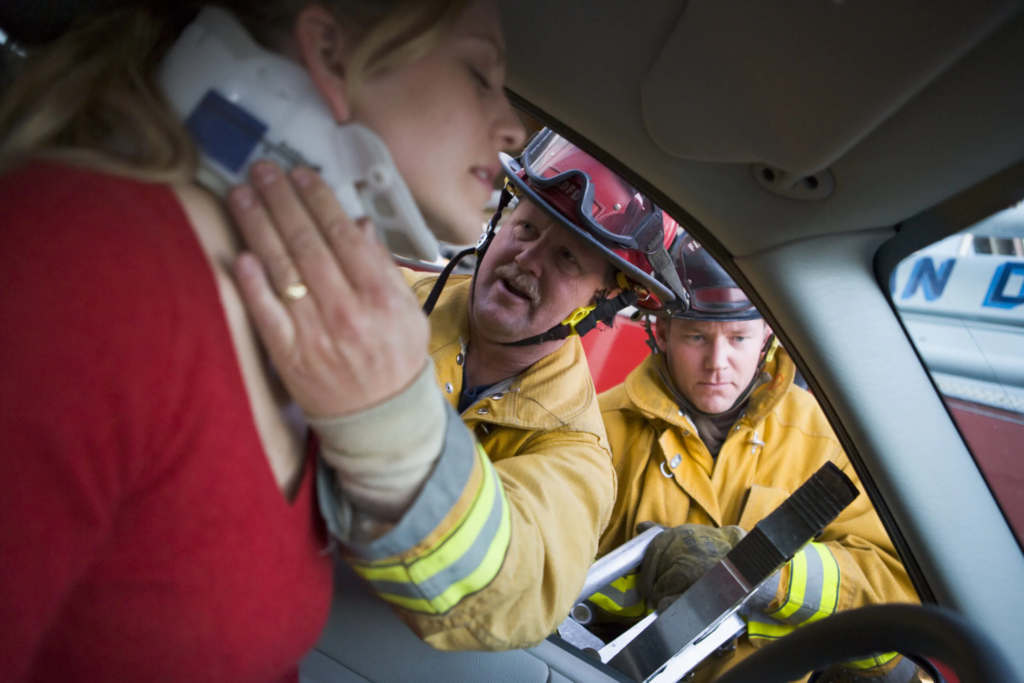
Car accidents can change a person’s life in a matter of seconds. Even when a crash does not cause a visible injury, the effects can last for weeks, months, or even years. Physical pain, emotional stress, anxiety, sleep problems, and changes to daily life may all follow a serious collision. When another person’s negligence caused the accident, an injured person may have the right to seek compensation for these losses.
Pain and suffering damages are an important part of many personal injury claims. Unlike medical bills or lost wages, these damages are not always easy to measure with a receipt or pay stub. They focus on how an injury affects a person’s comfort, emotions, daily activities, and overall quality of life.
Understanding how these damages work can help accident victims make informed decisions about their claims. A Portland Car Accident Attorney can review the facts of a crash, explain potential compensation, and help an injured person understand what evidence may support a pain and suffering claim.
What Are Pain and Suffering Damages After a Car Accident?
Pain and suffering damages are a type of non-economic compensation that may be available after a car accident. They are designed to address losses that do not have a simple dollar amount. Physical discomfort is one part of this category, but pain and suffering can involve much more than the immediate pain from an injury.
For example, a person who suffers a broken bone may experience pain during treatment and recovery. They may also have trouble walking, driving, sleeping, working, exercising, or caring for family members. If the injury causes lasting discomfort or limits normal activities, those effects may be considered when evaluating non-economic damages.
Emotional harm can also be important. A serious crash may cause fear, frustration, embarrassment, anxiety, or emotional distress. Some people become nervous about driving again after a collision. Others may experience changes in their mood or confidence because of a permanent injury or visible scar.
Pain and suffering can therefore include the physical and emotional impact of an accident and its injuries. The exact damages available depend on the circumstances of the case, the applicable law, and the evidence supporting the claim.
A Portland Car Accident Attorney can look beyond the initial medical diagnosis when evaluating a personal injury case. Two people can suffer similar injuries but experience very different effects on their lives. One person may recover quickly, while another may deal with chronic pain, reduced mobility, or long-term emotional difficulties.
This is why documentation is important. Medical records can establish the nature of an injury, while other evidence can help show how that injury affects everyday life. The stronger the connection between the accident, the injury, and the person’s ongoing difficulties, the easier it may be to present a clear claim for compensation.
How Oregon Car Accident Claims May Affect Pain and Suffering Compensation
Oregon law governs many car accident injury claims involving crashes that occur in the state. Liability generally depends on proving that another party was legally responsible for causing the accident and that the accident resulted in compensable harm. The facts of each collision matter, including traffic violations, distracted driving, speeding, impaired driving, road conditions, and other forms of negligence.
Oregon also follows a comparative fault system. This means that an injured person’s own share of responsibility can affect the amount of compensation recovered. If more than one person contributed to a crash, the final financial recovery may depend on how responsibility is assigned under the applicable law.
Because of this, establishing liability is a major part of a car accident claim. A person may have significant injuries, but the claim can become more complicated if the other driver argues that the injured person caused or contributed to the collision.
Evidence from the accident scene can be useful in these situations. Police reports, photographs, traffic camera footage, vehicle damage, witness statements, medical records, and other documentation may help explain what happened. Information about road conditions, weather, vehicle positioning, and driver behavior may also become relevant.
Oregon personal injury claims are also subject to deadlines. These deadlines can limit how long an injured person has to take legal action. Waiting too long can create serious problems, even when the person has a legitimate injury claim. Because deadlines can vary based on the facts and parties involved, accident victims should consider obtaining legal advice promptly.
A Portland Car Accident Attorney may also investigate whether another party could share responsibility for the accident. Depending on the circumstances, a claim might involve more than one driver or potentially other parties. Determining all potentially responsible parties can be important when seeking full compensation for physical, financial, and emotional losses.
It is also important to understand that insurance companies do not automatically value pain and suffering in the same way an injured person does. An insurer may review medical records, treatment history, accident details, and other evidence before making an offer. The first settlement offer may not always reflect the full impact of an injury.
This does not mean every insurance offer is unfair. It does mean that accident victims should understand what they are being asked to accept before signing a settlement. Once a claim is resolved, it may be difficult or impossible to seek additional compensation for the same injuries.
How Is Pain and Suffering Calculated in a Car Accident Case?
There is no single formula that determines the value of every pain and suffering claim. The amount can depend on many factors, including the severity of the injury, expected recovery time, medical treatment, permanent limitations, emotional effects, and impact on daily life.
One common approach used in personal injury discussions is a multiplier method. Under this approach, certain economic losses, such as medical expenses, may be multiplied by a number based on the seriousness of the injuries. However, this is not a universal legal formula, and it does not guarantee a particular settlement amount.
Another approach considers the amount of time an injured person experiences pain and limitations. A claim involving a short recovery may be evaluated differently from one involving permanent disability or chronic pain.
The severity of an injury is often an important consideration. A minor soft-tissue injury that resolves after a short period may have a different value from a traumatic brain injury, spinal cord injury, severe fracture, or permanent nerve damage. However, the diagnosis alone does not tell the complete story.
The effect on daily life can also matter. Consider someone who enjoys running but suffers a leg injury that prevents them from exercising. Another person may be unable to play with their children, attend social events, travel, or perform household activities. These personal losses can help demonstrate the real-world impact of an injury.
Treatment can provide additional evidence. Emergency room visits, physical therapy, diagnostic testing, surgery, prescription medication, follow-up appointments, and other medical care may show the seriousness and duration of an injury. Records from healthcare providers can also document symptoms and progress over time.
A personal journal may help document daily pain and limitations as well. Writing down symptoms, sleep difficulties, missed activities, emotional struggles, and changes in normal routines can create a record of how the injury affects everyday life. The information should be honest and consistent with medical treatment and other evidence.
Statements from family members, friends, coworkers, or other people who regularly interact with the injured person may also help demonstrate changes in behavior or ability. For example, someone close to the victim may notice that the person has stopped participating in hobbies or struggles with ordinary tasks that were previously easy.
A Portland Car Accident Attorney can use these types of evidence to build a more complete picture of the injury. The goal is not simply to describe a medical diagnosis. It is to explain how the accident changed the person’s physical comfort, emotional well-being, and daily life.
What Evidence Can Support a Pain and Suffering Claim?
Strong evidence can make a significant difference in a car accident case. Pain and suffering are personal experiences, so documentation can help connect those experiences to the accident and resulting injuries.
Medical evidence is often one of the most important sources of information. Medical records can show when an injury was diagnosed, what treatment was recommended, how symptoms developed, and whether doctors expect future care. Follow-up appointments can also demonstrate whether pain or limitations continued after the initial accident.
Photographs can be useful as well. Pictures of vehicle damage, visible injuries, bruising, swelling, casts, surgical scars, or other physical changes may help demonstrate the seriousness of an accident and its effects. Accident scene photographs may also help establish how the collision occurred.
Witness evidence can provide another perspective. People who saw the crash may describe what happened before and during the collision. People who know the injured person may describe changes they observed after the accident.
Employment records may help show how an injury affects work, although lost income is generally considered separately from pain and suffering. If a person must reduce working hours, change job duties, or stop working because of an injury, those facts may help demonstrate the broader impact of the accident.
Daily activity records can be especially helpful for showing quality-of-life changes. A person should consider documenting activities they could no longer perform, hobbies they had to stop, difficulties with sleep, transportation challenges, and other meaningful changes.
Mental and emotional symptoms should also be taken seriously. If an accident causes anxiety, fear, depression, or other emotional difficulties, appropriate professional care can provide both support and documentation. Accident victims should not ignore emotional symptoms simply because an injury is not visible.
Insurance communications should also be handled carefully. Statements made to an insurance adjuster may become part of the claim. An injured person should provide accurate information but should avoid guessing about medical conditions, future recovery, or the full value of a claim.
Working with a Portland Car Accident Attorney can help an accident victim understand what evidence is useful and how to organize it. Legal guidance can also help prevent common mistakes, such as accepting a settlement before the full extent of an injury is understood.
Why Legal Guidance Matters When Seeking Pain and Suffering Damages
Car accident claims can involve more than proving that a collision occurred. An injured person may need to establish liability, document medical treatment, demonstrate financial losses, explain non-economic harm, and respond to insurance company arguments.
Insurance companies have experience handling injury claims and evaluating settlements. Their adjusters may ask questions about the accident, medical treatment, symptoms, previous injuries, work history, and recovery. The information provided can affect how the claim is evaluated.
A Portland Car Accident Attorney can communicate with insurers on behalf of an injured client and help organize the evidence needed to support the claim. An attorney may also investigate the accident, review medical records, consult appropriate experts when needed, and evaluate whether a settlement offer reflects the documented losses.
Legal representation can be especially valuable when injuries are severe or long-lasting. A person with a permanent disability may need to consider future medical care, reduced earning ability, continuing pain, and changes to normal activities. These issues can make the value of a claim more complex.
The attorney may also help distinguish economic damages from non-economic damages. Economic damages can include medical expenses, rehabilitation costs, lost wages, and other measurable financial losses. Non-economic damages can address pain, emotional distress, loss of enjoyment of life, and other personal effects.
Not every case needs to go to trial. Many car accident claims are resolved through negotiations with an insurance company. However, preparing a claim as though the evidence may be closely examined can encourage a careful and complete approach to documentation.
If a case does proceed to litigation, evidence becomes even more important. Medical records, accident reports, photographs, witness statements, expert opinions, and testimony may all contribute to explaining the injured person’s experience.
The best approach depends on the facts of the individual case. An injured person should avoid assuming that an online settlement calculator or a simple multiplier can accurately determine the value of a claim. Personal injury cases are affected by liability, medical evidence, insurance coverage, future damages, and many other factors.
Most importantly, accident victims should focus on their recovery while preserving relevant evidence. Seeking timely medical care, following medical instructions, keeping records, and understanding legal deadlines can all help protect a potential claim.
Conclusion
Pain and suffering damages recognize that a car accident can cause losses that go far beyond medical bills. Physical pain, emotional distress, reduced mobility, sleep problems, lost activities, and changes in quality of life can have a lasting effect on an injured person.
A successful claim generally requires more than simply saying that an accident was painful. Evidence should connect the crash to the injury and show how the injury has affected the person’s life. Medical records, photographs, witness statements, treatment history, and personal records can all help tell that story.
If you were injured in a collision, a Portland Car Accident Attorney can help you understand your legal options and the types of compensation that may be available. Because every accident is different, the potential value of a pain and suffering claim depends on the specific facts, injuries, evidence, and applicable Oregon law.
Taking action promptly can also be important. Understanding your rights, preserving evidence, following medical care, and getting qualified legal guidance can help you make informed decisions while pursuing fair compensation for the full impact of a car accident.
