

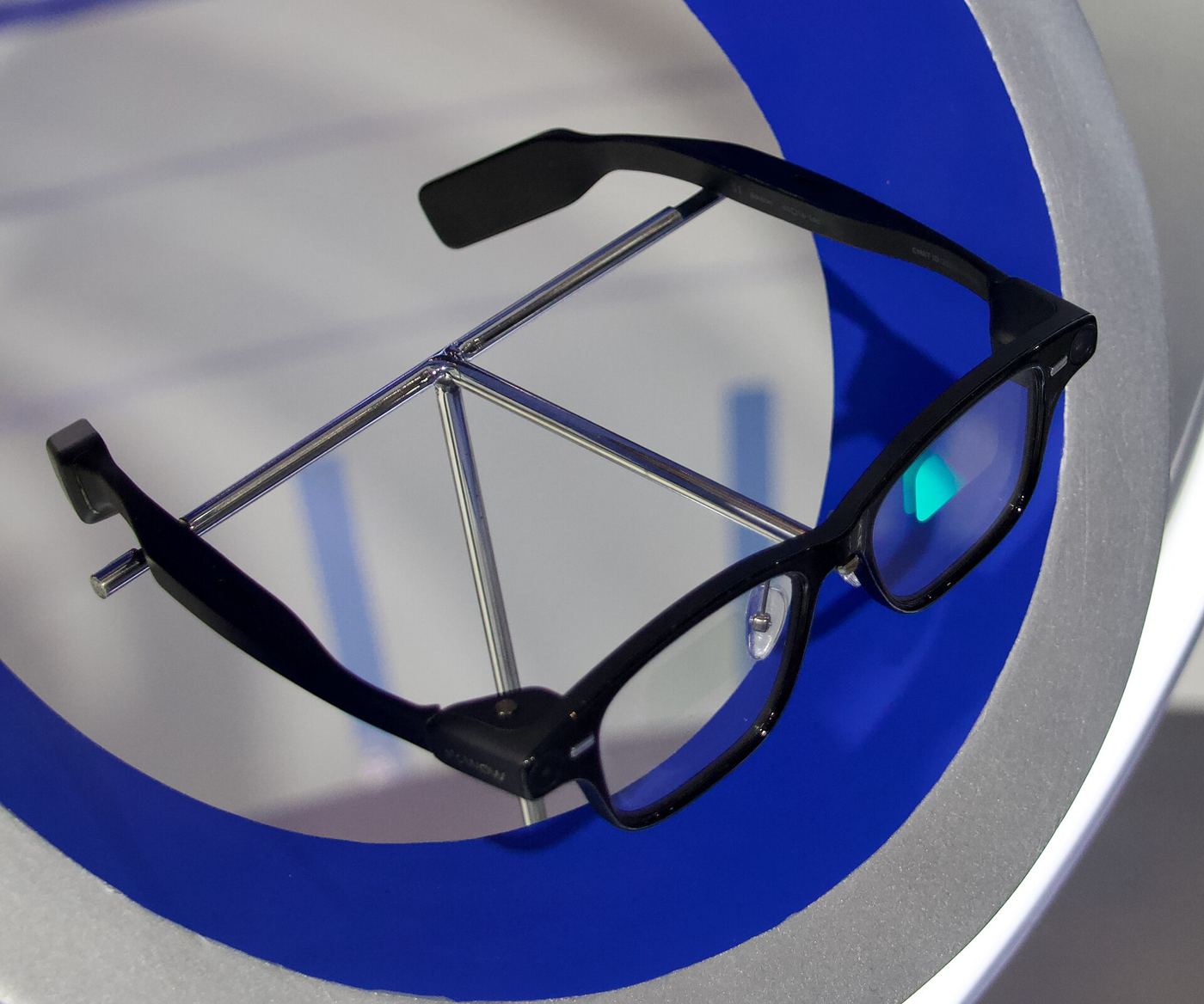
Samsung’s first smart glasses have sold out almost as soon as they went on sale. The company’s Intelligent Eyewear, developed with Google and the fashion label Gentle Monster, opened for pre-orders in November 2026, and the first batch sold out almost immediately, according to trade reports on 16 November. The glasses bring Google’s Gemini assistant to the face, letting wearers ask questions, get directions and take photos without reaching for a phone. Samsung joins a growing field: Meta launched its Ray-Ban Display glasses in September 2025 at 799 dollars, and Google and Samsung had already shown their joint eyewear project earlier in 2026. The sell-out suggests demand for glasses that look ordinary but carry a computer is real, even though the category is still young, and the first buyers will test whether the technology is ready for everyday life.
What the Evidence Shows
The rush to build smart glasses follows a decade of false starts. Google Glass failed in the last decade because it looked strange, cost 1,500 dollars and made bystanders nervous about being filmed. The new generation tries to fix those problems by looking like ordinary spectacles, with the display and camera hidden in a familiar frame. Battery life is still measured in hours, the display is small, and wearing a computer on your face all day remains a hard sell for most people. Yet the uses are becoming clearer: live translation for travellers, directions without looking at a phone, captions for people with hearing loss, and hands-free instructions for technicians. Samsung’s sell-out is only a first step, but it shows the biggest phone makers now believe glasses, not phones, may be the next device people carry everywhere. Reporting and analysis from sources such as IEEE Spectrum track the same developments, and specialists following Samsung’s Intelligent Eyewear say the direction is now consistent across independent lines of evidence.
The Wider Context
Adoption of Samsung’s Intelligent Eyewear follows a familiar pattern with an unfamiliar speed. Early users tolerate rough edges in exchange for advantage, mainstream users arrive when the tool disappears into existing workflows, and the market consolidates around whoever made that transition feel effortless. Vendors are racing less on raw performance now than on integration, support and trust.
What Happens Next
The realistic forecast for Samsung’s Intelligent Eyewear is steady integration rather than sudden replacement: embedded in products people already use, improving in increments, and regulated in proportion to its reach. The companies and institutions that plan on that basis, training staff and redesigning processes instead of chasing launches, are the ones the adoption data tends to vindicate. You can follow related developments in our coverage of technology.
It is also worth remembering how quickly the picture in this area has changed before. Positions that looked settled a few years ago have been revised as new data arrived, and the same humility is appropriate now. The strongest coverage of this subject, and the most useful advice, tends to come from sources that update their views openly when the facts move, rather than defending an earlier position long after it has stopped fitting the evidence available.
