

Introduction
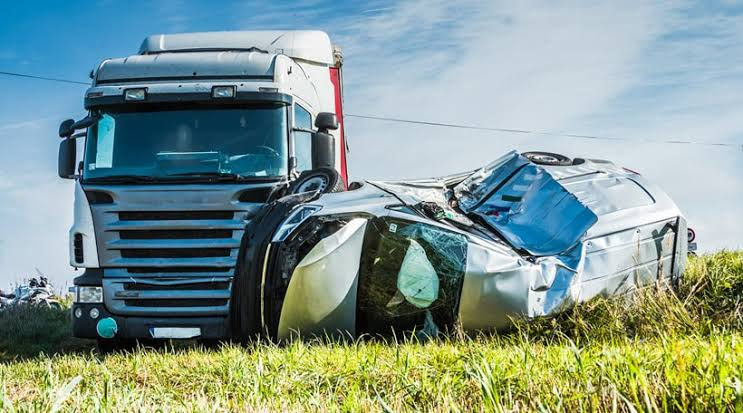
An 18-wheeler crash can be far more serious than a typical passenger-car accident. Large commercial trucks carry heavy loads, need more time to stop, and can cause severe injuries when they collide with smaller vehicles. After a crash, victims may face medical treatment, lost income, vehicle damage, emotional stress, and uncertainty about how to recover compensation. Understanding the claims process can help injured people make informed decisions during a difficult time. 18-wheeler accident claims in Richmond often involve more complicated insurance and liability questions because several people or companies may have a connection to the truck, driver, cargo, or transportation company.
Victims should also know that evidence can become important very quickly. Trucking records, driver logs, maintenance documents, electronic data, cargo information, accident reports, photographs, and witness statements may all help explain what happened. Depending on the circumstances, a claim may involve the truck driver, trucking company, maintenance provider, cargo loader, manufacturer, or another responsible party. Learning how these claims generally work can help victims understand their rights and the types of damages that may be available. This article explains important considerations surrounding truck accident claims in Richmond in clear, practical terms.
Understanding 18-Wheeler Accident Claims in Richmond
18-wheeler accident claims in Richmond can involve more legal and factual issues than ordinary car accident claims. A commercial truck may be operated by a driver who works for a transportation company, leases the vehicle, or operates as an independent contractor. The truck may also be owned by a different business, while another company handles maintenance or loading. Because of this structure, identifying the correct parties can be an important part of investigating a collision. A claim may depend on evidence showing who controlled the driver, vehicle, maintenance, cargo, or other safety-related responsibilities at the time of the crash.
The cause of the accident also matters. Common contributing factors can include driver fatigue, distracted driving, speeding, unsafe lane changes, following too closely, impaired driving, poor vehicle maintenance, overloaded cargo, or inadequate training. Weather and road conditions may also contribute to a collision. A commercial truck accident investigation should therefore look beyond the visible damage and consider the events leading up to the crash. Evidence such as police reports, photographs, surveillance footage, vehicle data, driver records, and witness accounts may help establish how the collision occurred and who may be responsible.
Common Causes of Richmond Truck Accidents
Truck crashes can happen for many reasons, and determining the cause is often central to a personal injury claim. Driver fatigue is one concern because long hours behind the wheel can reduce alertness and reaction time. Commercial drivers are subject to hours-of-service requirements intended to reduce fatigue-related risks. Other driver-related problems may include speeding, distracted driving, aggressive driving, improper turns, failure to check blind spots, and unsafe passing. When a driver violates a safety rule and that conduct contributes to an accident, the violation may become important evidence in a claim.
Truck equipment and cargo can also play a role. Worn brakes, damaged tires, steering problems, lighting defects, or other mechanical failures may increase the risk of a collision. Poorly secured cargo can shift during transportation and affect a truck’s balance or handling. In some situations, the investigation may need to examine whether the truck received proper inspections and maintenance or whether cargo was loaded according to applicable safety requirements. Establishing the cause is not always simple, especially when multiple factors contributed to the crash. A careful review of the available evidence can help create a clearer picture of what happened.
Injuries and Damages After a Truck Crash
The size and weight difference between an 18-wheeler and a passenger vehicle can result in devastating injuries. Victims may suffer broken bones, spinal cord injuries, traumatic brain injuries, internal injuries, burns, or other serious conditions. Some injuries require emergency treatment, surgery, rehabilitation, or long-term care. Even when an injury does not appear severe immediately after a collision, symptoms can sometimes develop later. Seeking appropriate medical attention after a crash is therefore important for both health and documentation.
Depending on the facts of the case and applicable law, compensation in a truck accident claim may involve medical expenses, lost wages, reduced future earning ability, property damage, and certain non-economic losses. The value and availability of damages depend on the circumstances of the accident, the nature of the injuries, the evidence, insurance coverage, and applicable Virginia law. Keeping records of medical treatment, bills, employment losses, vehicle repairs, and other accident-related expenses can help document the financial impact. Victims should also follow medical instructions and keep their healthcare providers informed about ongoing symptoms.
Evidence That Can Strengthen a Truck Accident Claim
Evidence can be especially important in 18-wheeler accident claims in Richmond because commercial trucking cases may involve information that is not available in an ordinary traffic collision. Photographs of the crash scene, vehicle damage, road conditions, injuries, and visible truck defects can help preserve details. Witness contact information and statements may also be valuable. The police crash report can provide information about the responding officer’s observations, the location of the accident, and other initial details, although it is not necessarily the final word on liability.
Commercial trucks may generate electronic information that can help investigators understand speed, braking, vehicle movement, and other events surrounding a crash. Depending on the truck and circumstances, relevant evidence can include electronic logging information, inspection records, maintenance records, driver qualification information, dispatch records, cargo documents, and onboard vehicle data. Video from nearby businesses, traffic cameras, dashcams, or other sources may also be useful when available. Because some records may not be preserved indefinitely, early attention to evidence can be important. Victims should avoid assuming that the visible facts at the accident scene tell the complete story.
Insurance and Liability Issues in Truck Accident Cases
Insurance issues can make a commercial truck accident claim more complicated. A trucking company may have commercial liability coverage, while other policies or companies may become relevant depending on ownership, leasing arrangements, cargo, or other circumstances. Insurance companies typically investigate accidents to evaluate liability and damages. Their representatives may request statements, medical information, photographs, or other records. Victims should understand what they are signing or providing before making decisions that could affect their claim.
Liability may also extend beyond the truck driver. For example, a trucking company could potentially face questions about hiring, training, supervision, or company policies when supported by the evidence. A maintenance provider may become relevant if improper maintenance contributed to a mechanical failure. A cargo-loading company could become involved if improperly secured freight caused or contributed to the collision. In other cases, a vehicle or parts manufacturer may become relevant if a defect contributed to the crash. Each case is different, so liability should be based on evidence rather than assumptions.
What Victims Should Do After an 18-Wheeler Crash
After a serious truck accident, safety and medical care should come first. If possible, victims should move to a safe location, contact emergency services, and seek medical attention. When it is safe to do so, photographs of the vehicles, roadway, signs, injuries, and surrounding conditions can help preserve evidence. Victims should also obtain the names and contact details of witnesses when possible. It can be helpful to keep a personal record of medical appointments, symptoms, missed work, expenses, and other effects of the accident.
Victims should also be cautious about discussing the accident publicly or making statements that could be misunderstood. Social media posts, recorded statements, and casual comments may later be examined during an insurance or legal dispute. Important documents should be saved in an organized way, including medical records, bills, repair estimates, insurance correspondence, and employment records. Because deadlines can apply to personal injury claims, waiting too long can create problems. Anyone considering a legal claim should review the applicable deadlines and circumstances with a qualified Virginia attorney as soon as reasonably possible.
Conclusion
18-wheeler accident claims in Richmond can involve serious injuries, complex insurance questions, multiple potentially responsible parties, and extensive evidence. Understanding how truck accident investigations work can help victims recognize why these cases may require more than simply determining which vehicle hit the other. Driver conduct, trucking company practices, vehicle maintenance, cargo loading, electronic records, witness statements, and accident-scene evidence can all matter when establishing what happened.
For victims and families, the most important early steps are to seek medical care, preserve available evidence, document losses, and understand the legal deadlines that may apply. Every truck accident is different, and the potential for compensation depends on the specific facts and applicable Virginia law. By gathering reliable information and carefully documenting the consequences of the crash, victims can better understand their options as they move forward after a serious Richmond commercial truck accident.
