

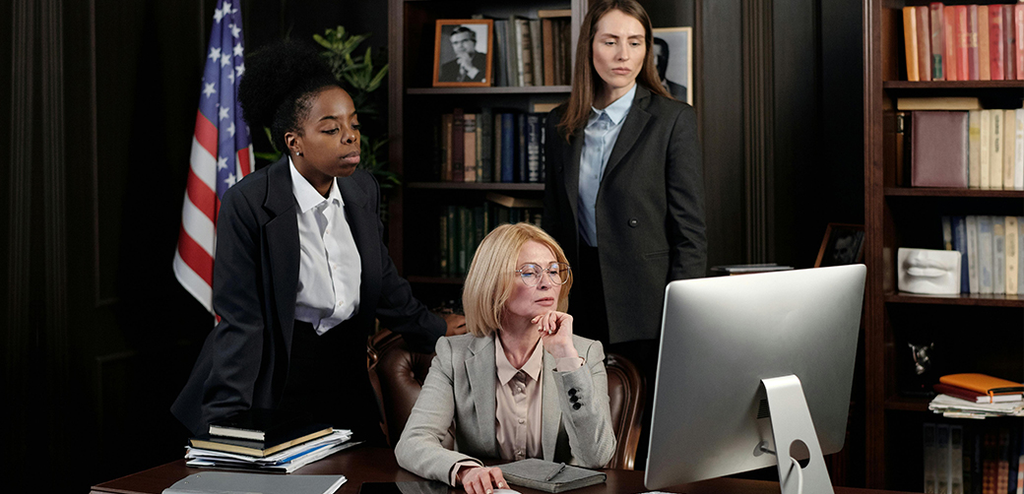
A Paralegal plays an important role in the legal field by supporting attorneys with research, documentation, case preparation, client communication, and many other legal tasks. While a Paralegal cannot provide legal advice or represent a client in court as an attorney, their work helps law firms manage cases efficiently and keep legal matters organized. From preparing documents to reviewing evidence, paralegals often handle detailed tasks that require strong communication, research, and organizational skills. Their support allows attorneys to focus more of their time on legal strategy, negotiations, and courtroom responsibilities.
The daily duties of a Paralegal can vary depending on the type of law they work in and the size of the law firm or legal department. A family law paralegal may work on divorce and custody documents, while a litigation paralegal may focus on evidence, court filings, and case research. Corporate paralegals may assist with contracts, business records, and compliance matters. Understanding the common responsibilities of a Paralegal can help students, job seekers, and clients better understand how this important legal professional contributes to the legal process.
Legal Research and Case Preparation
One of the most common responsibilities of a paralegal is assisting with legal research and case preparation. Attorneys often need accurate information about laws, regulations, court decisions, and legal procedures before making important decisions about a case. A Paralegal may research statutes, regulations, previous court rulings, and other legal sources under the direction of an attorney. The information gathered during this process can help attorneys understand the background of an issue and prepare stronger legal arguments. Research must be completed carefully because even a small mistake can affect the accuracy of a legal document or case strategy.
Case preparation also involves organizing information before hearings, negotiations, trials, or other legal events. A Paralegal may create case files, organize evidence, review documents, prepare timelines, and help attorneys locate important information quickly. In litigation, a paralegal may assist with discovery materials, deposition preparation, witness information, and trial exhibits. Strong attention to detail is especially important because legal cases can involve hundreds or even thousands of documents. By keeping information organized and accessible, a Paralegal helps the legal team work more efficiently and stay prepared throughout the case.
Drafting and Managing Legal Documents
Document preparation is another major part of a Paralegal’s daily work. Legal professionals deal with many different types of documents, including pleadings, contracts, correspondence, affidavits, discovery requests, court forms, and case summaries. A Paralegal may draft documents based on information provided by an attorney and ensure that they follow the required format. Depending on the law firm and practice area, the documents may relate to personal injury claims, estate planning, real estate transactions, family law matters, business agreements, or civil litigation. Accuracy is essential because legal documents often contain important facts, dates, names, and procedural information.
A Paralegal may also be responsible for reviewing, organizing, updating, and storing legal documents. Many law offices now use digital case management systems to manage files and deadlines. Paralegals may upload documents, label electronic files, maintain document databases, and make sure records can be located when needed. They may also help prepare documents for electronic filing with courts or government agencies. Although attorneys remain responsible for legal decisions and final work product, skilled document management by a Paralegal can reduce administrative delays and help ensure that cases move forward smoothly.
Client Communication and Administrative Support
Communication is an important part of a Paralegal’s responsibilities. In many law offices, paralegals communicate with clients about administrative matters, collect information, schedule appointments, and provide updates about routine case activities when permitted by the supervising attorney. They may also communicate with courts, opposing counsel’s offices, government agencies, insurance companies, witnesses, and other parties involved in a case. Clear and professional communication helps prevent misunderstandings and keeps information moving between the legal team and other participants.
Administrative support can also take up a significant part of a Paralegal’s workday. Depending on the position, a paralegal may manage calendars, track deadlines, organize meetings, prepare correspondence, maintain client records, and coordinate appointments. Confidentiality is especially important because legal professionals regularly handle private client information. A Paralegal must understand the limits of their role and avoid giving legal advice unless they are otherwise legally authorized to do so. Good communication skills, professionalism, discretion, and organization allow paralegals to provide valuable support while maintaining appropriate boundaries.
Managing Evidence, Records, and Deadlines
Keeping accurate records is a key responsibility for many paralegals, especially those working in litigation or other document-heavy areas of law. A Paralegal may collect and organize emails, photographs, medical records, financial documents, contracts, reports, correspondence, and other evidence relevant to a case. They may create document indexes or databases so attorneys can quickly find specific information. In some cases, paralegals also help track discovery materials and organize documents received from other parties. Careful record management helps the legal team understand the facts and prepare for important stages of a case.
Deadlines are equally important in legal work. Courts and government agencies often establish strict filing dates, response periods, hearing dates, and procedural requirements. A Paralegal may maintain a calendar of important deadlines and remind attorneys about upcoming tasks. Missing a deadline can create serious problems for a client or a law firm, so accurate scheduling is an essential professional skill. Modern legal technology can make this process easier by providing automated reminders, shared calendars, document management tools, and case tracking systems. Even with technology, however, a Paralegal must review information carefully and follow the firm’s procedures.
Supporting Different Areas of Law
The specific responsibilities of a Paralegal often depend on the area of law in which they work. For example, a family law paralegal may prepare divorce paperwork, organize financial records, and assist with custody-related documents. A personal injury paralegal may organize medical records, insurance correspondence, accident reports, and settlement documents. In an estate planning practice, a paralegal may help prepare information for wills, trusts, powers of attorney, and other estate planning documents under attorney supervision. Each practice area has its own terminology, procedures, documents, and client needs.
Corporate and real estate paralegals can have very different responsibilities from litigation paralegals. A corporate Paralegal may help maintain company records, prepare filings, organize contracts, and support business transactions. A real estate paralegal may work with property documents, closing materials, leases, and transaction records. Immigration paralegals may assist with forms and supporting documentation for immigration matters, while bankruptcy paralegals may organize financial records and bankruptcy paperwork. This variety makes the paralegal profession flexible for people who want to build legal experience in a specific field.
Skills, Technology, and Professional Responsibilities
Successful paralegals usually need a combination of legal knowledge, organization, communication, research, and technology skills. Attention to detail is especially important because legal work involves precise information and strict procedures. A Paralegal should be comfortable reading complex documents, identifying important details, managing multiple deadlines, and communicating professionally with different people. Writing skills are also valuable because paralegals frequently prepare correspondence, summaries, legal documents, and research materials. Depending on the position, employers may look for formal paralegal education, certification, previous legal experience, or knowledge of a particular practice area.
Technology has also changed the modern paralegal role. Legal teams commonly use electronic filing platforms, document management software, case management systems, research databases, video conferencing tools, and other digital resources. A Paralegal who can use these systems effectively can help a legal office save time and maintain better records. At the same time, technology does not replace professional judgment, confidentiality, or careful review. Paralegals must use legal technology responsibly and follow applicable rules, firm policies, and attorney instructions. Their role remains focused on supporting attorneys and clients while working within the limits established by law and professional standards.
Conclusion
A Paralegal performs many duties that help attorneys and legal teams manage cases, documents, research, deadlines, and client information. From legal research and document preparation to evidence organization and administrative support, the role requires accuracy, professionalism, communication, and strong organizational skills. The exact responsibilities can change based on the practice area, employer, and level of experience, but the central purpose remains the same: providing reliable support that helps legal work move forward efficiently.
For anyone considering a career in the legal field, understanding the responsibilities of a Paralegal provides a useful starting point. The profession can offer opportunities to develop legal research, writing, technology, and case management skills while working alongside attorneys and other legal professionals. With appropriate education, practical experience, and a commitment to accuracy and confidentiality, a Paralegal can become an important part of a successful legal team.
